 Nozzle School
PETG vs ABS: Which Filament Should You Use?
PETG vs ABS compared: temperatures, warping, enclosures, fumes, strength, heat resistance, outdoor use and cost, and which one to choose for your part.
Choose PETG for most functional parts: it’s tough, handles heat up to about 80 °C, prints on an open printer without an enclosure, barely warps and smells far less than ABS. Choose ABS only when a part has to survive more heat than that (ABS holds its shape to around 100 °C), when you want to sand it or smooth it with acetone, and only if you have an enclosure and somewhere to vent its fumes.
For most people printing at home, that makes PETG the default upgrade from PLA, and ABS the specialist. This guide compares the two side by side, explains how to print each one, covers the safety side of ABS properly, and ends with a quick way to decide. For the wider picture of every common material, see our 3D printing filament guide.
PETG vs ABS at a glance
| PETG | ABS | |
|---|---|---|
| Nozzle temperature | 220–250 °C | 230–260 °C |
| Bed temperature | 70–85 °C | 90–110 °C |
| Part cooling fan | 30–50% | Off, or 0–30% |
| Enclosure | Not needed | Strongly recommended |
| Warping | Low | High |
| Smell and fumes | Faint | Strong; releases styrene, needs ventilation |
| Stringing | High | Low to moderate |
| Heat resistance | Softens around 75–80 °C | Softens around 95–105 °C |
| Strength | Tough, slightly flexible, bonds layers well on an open printer | Tough, bends before it breaks; layers bond well only when printed warm |
| Outdoors and sunlight | Fair to good | Poor; yellows and turns brittle in the sun |
| Chemical and water resistance | Good | Fair; dissolves in acetone |
| Sanding, gluing, smoothing | Gummy to sand; can’t be acetone smoothed | Sands and drills cleanly; acetone welds and smooths it |
| Moisture sensitivity | Moderate to high | Moderate |
| Bed surface issues | Sticks too well to smooth PEI and glass | Needs a strong grip to stop it lifting |
| Typical price | Similar | Similar |
| Food contact | Neither is food safe by default |
The temperature ranges are typical starting points across brands. Always check the range on your spool.
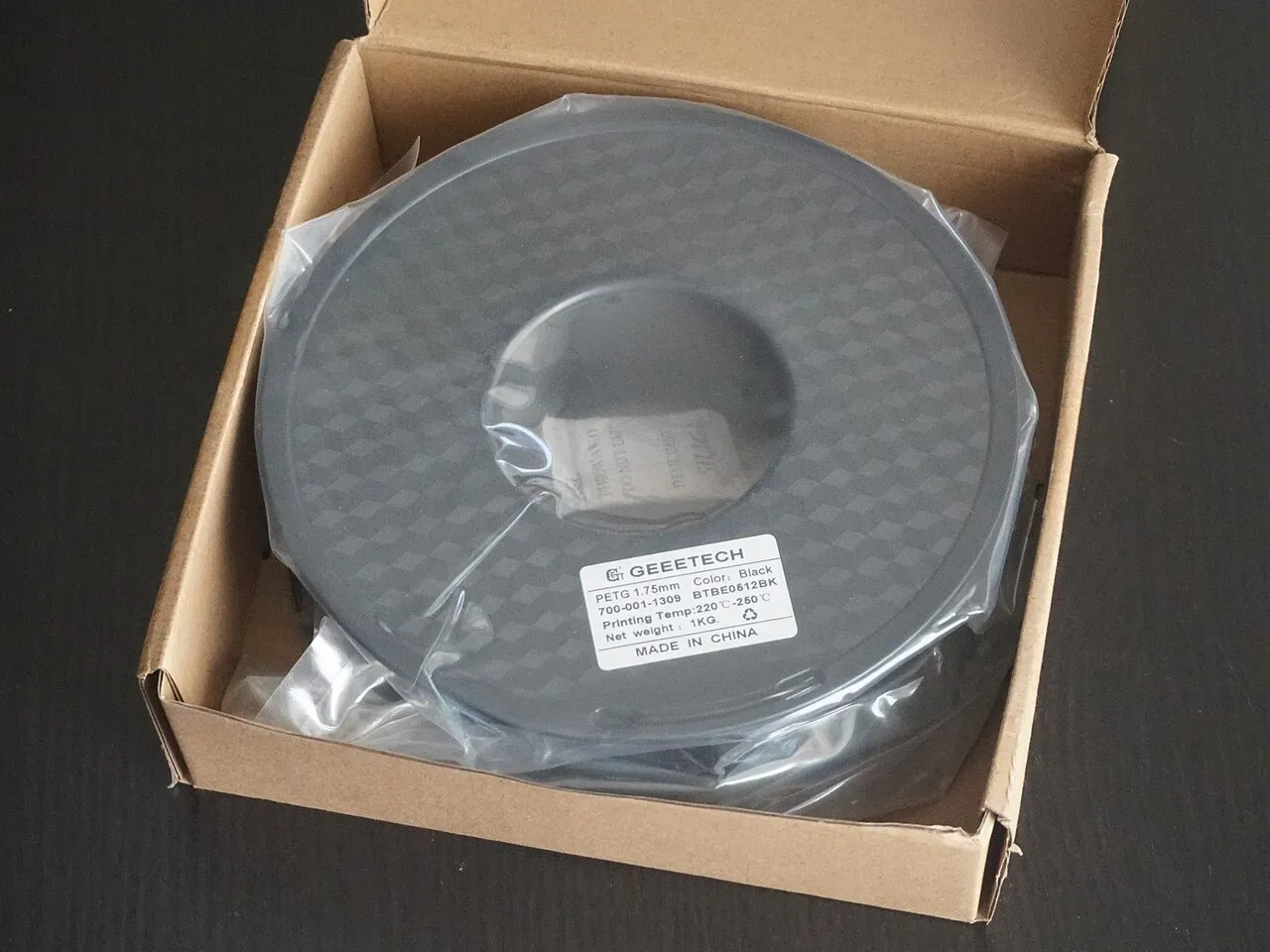 A 1 kg spool of PETG, sealed with desiccant.Photo: Suit ·CC BY-SA 4.0 ·Wikimedia Commons
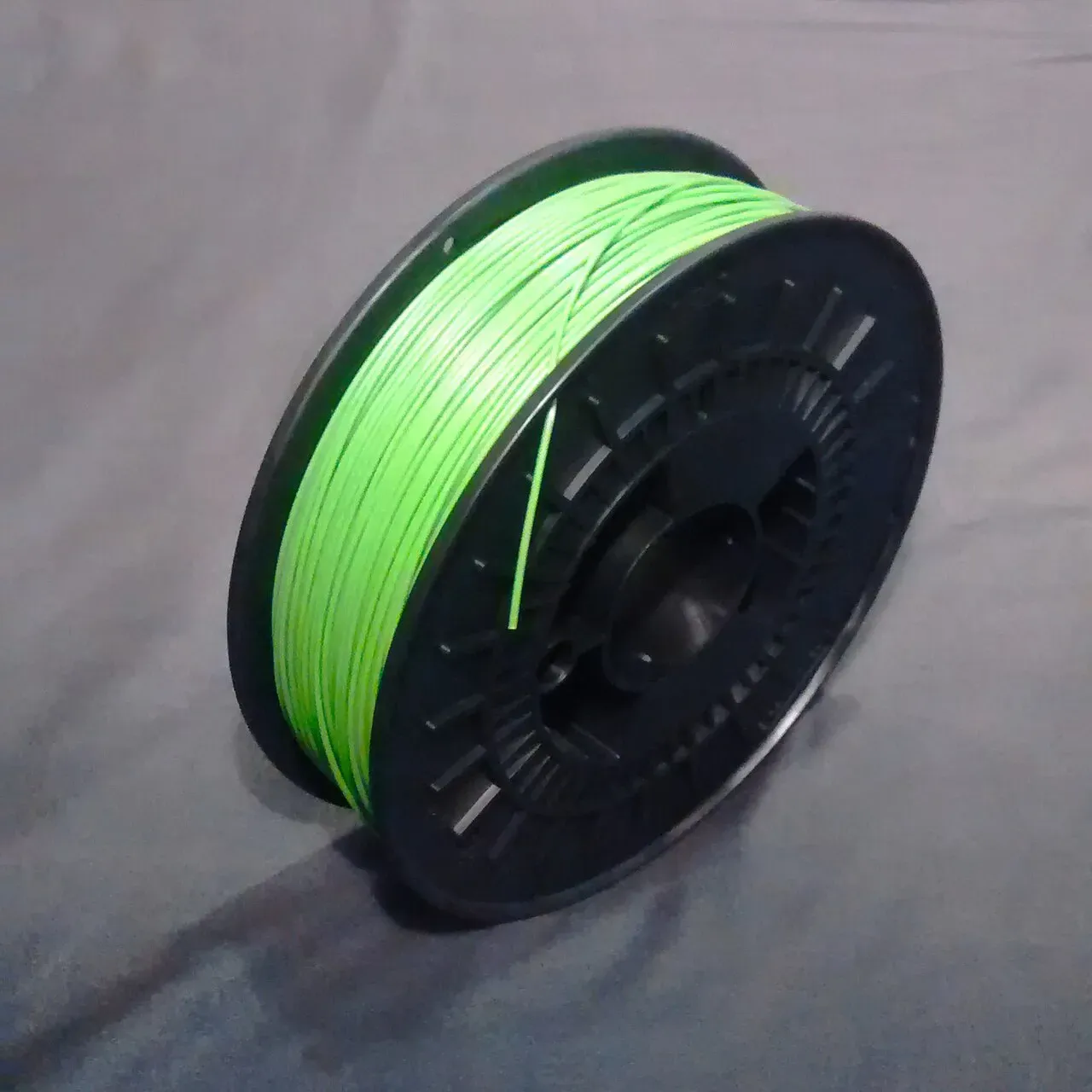 A spool of ABS.Photo: Tatár Lehel ·CC BY-SA 3.0 ·Wikimedia Commons
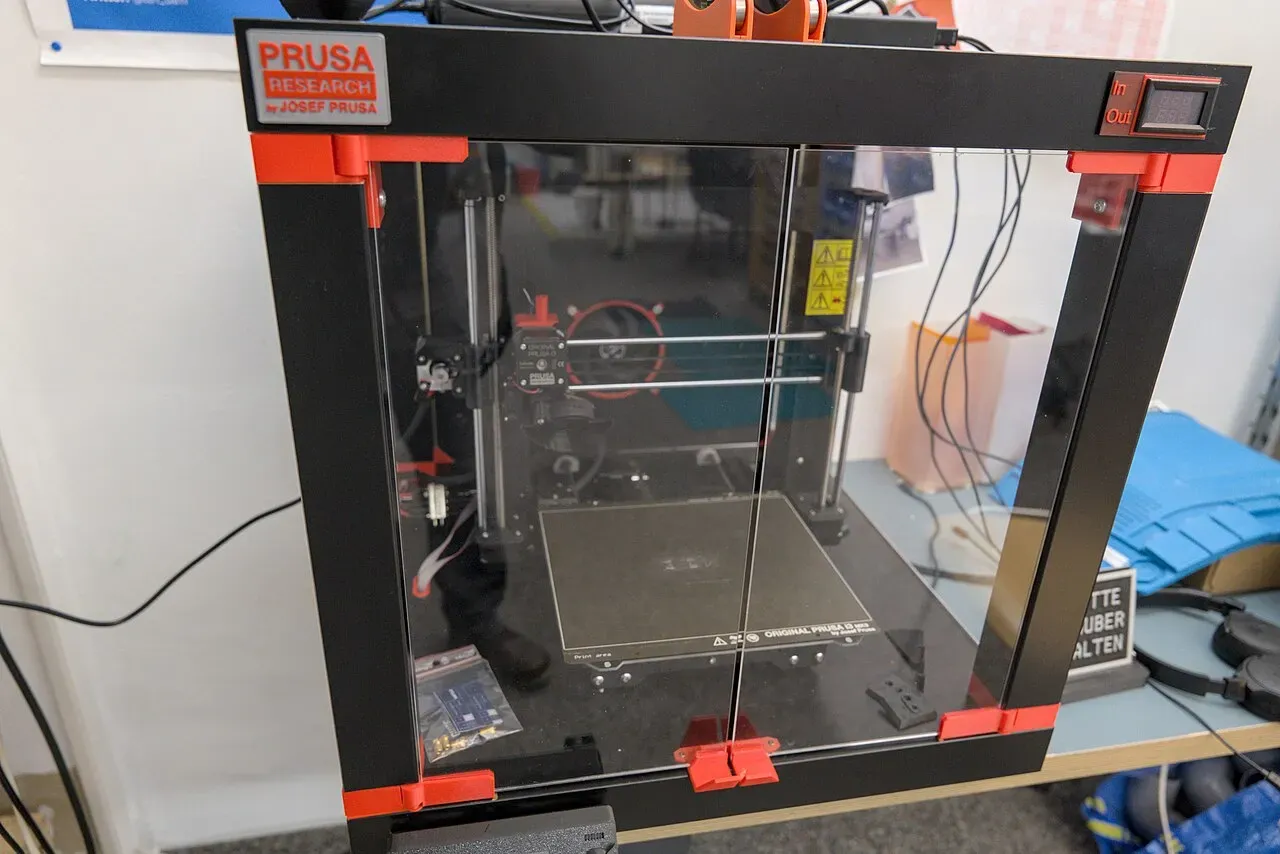 An enclosure keeps heat in for ABS and ASA.Photo: -stk ·CC BY-SA 4.0 ·Wikimedia Commons
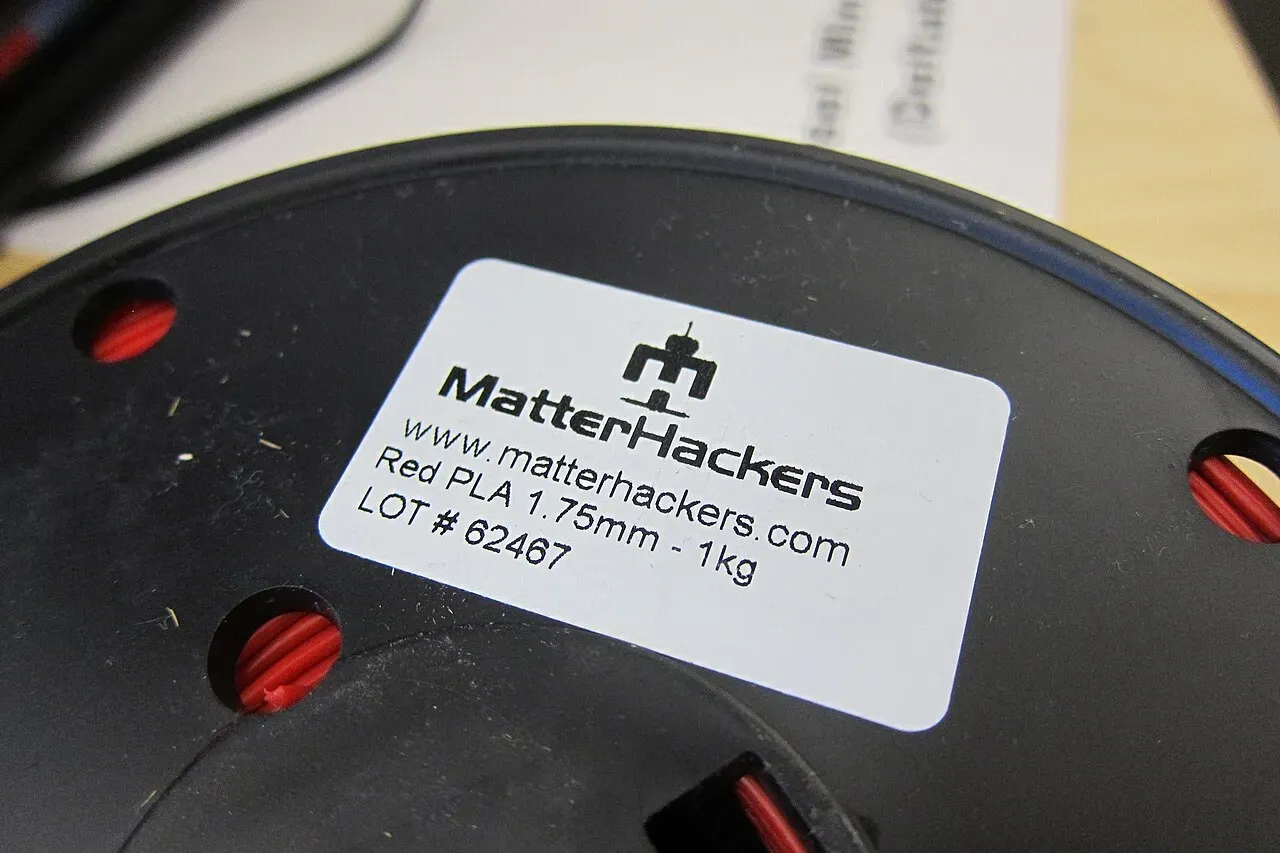 Read the label: material, 1.75 mm diameter, 1 kg.Photo: John Abella from Outside Philadelphia, USA ·CC BY 2.0 ·Wikimedia Commons
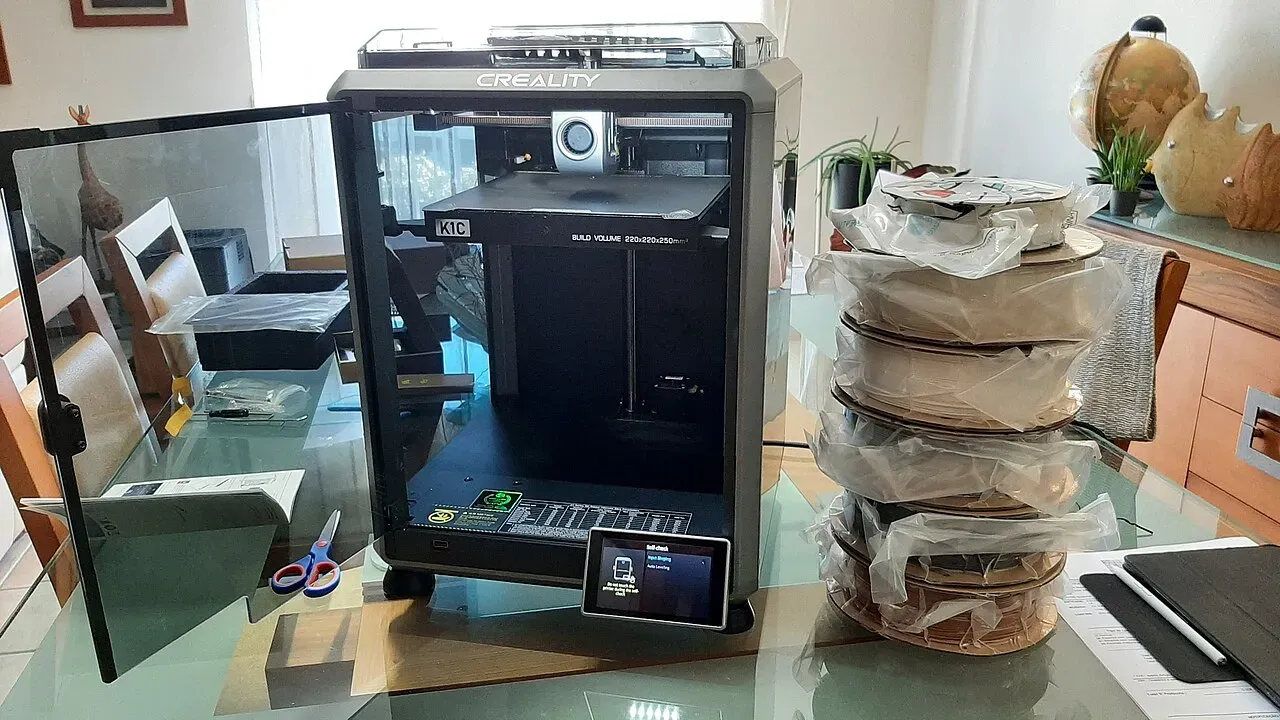 An enclosed CoreXY printer on a home desk.Photo: Mortymore ·CC BY 2.0 ·Wikimedia Commons
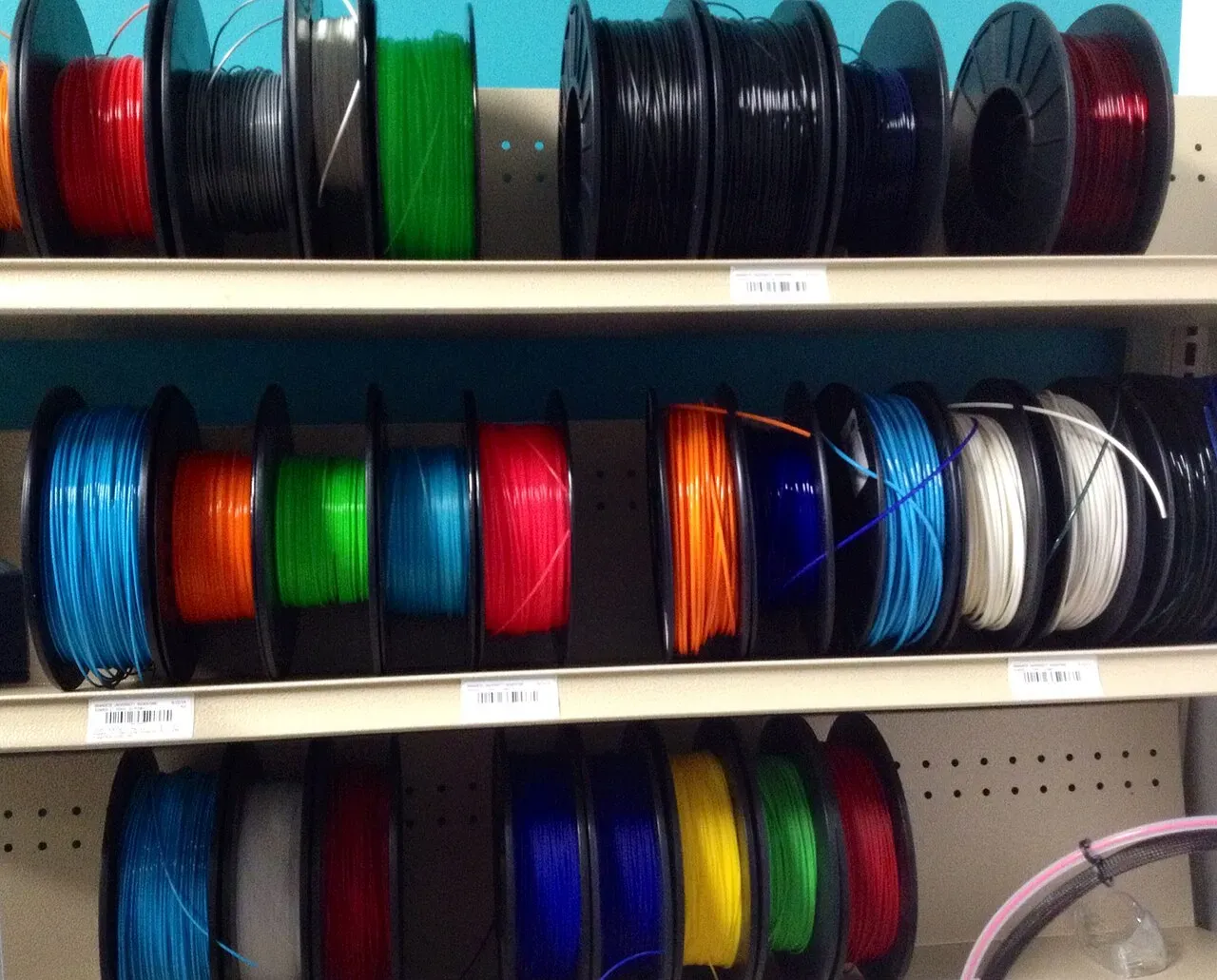 Filament comes in almost every colour.Photo: westonhighschool library ·CC BY-SA 2.0 ·Wikimedia Commons
Choose PETG if…
- You print on an open printer, or in a room where people live, work or sleep.
- The part needs to be tough: brackets, clips, hooks, mounts, tool holders, enclosures for electronics.
- It will sit somewhere warm but not hot: a car interior in mild weather, near a window, beside a warm appliance.
- It will live outdoors for a season or two, or get wet.
- You want a glossy finish and good layer bonding without fuss.
Choose ABS if…
- The part has to survive real heat, beyond about 80 °C: near a motor, a lamp, under the bonnet area of a car, or in a hot car interior in summer.
- You want to sand, drill, tap or glue it, or smooth it with acetone vapour to a glossy, moulded look.
- You need to match existing ABS parts, such as repairs to an appliance housing.
- You have an enclosed printer and somewhere it can vent or filter its fumes.
If the last point isn’t true, read when ASA or another material is better before you buy ABS. For outdoor parts that need heat resistance, ASA usually beats both.
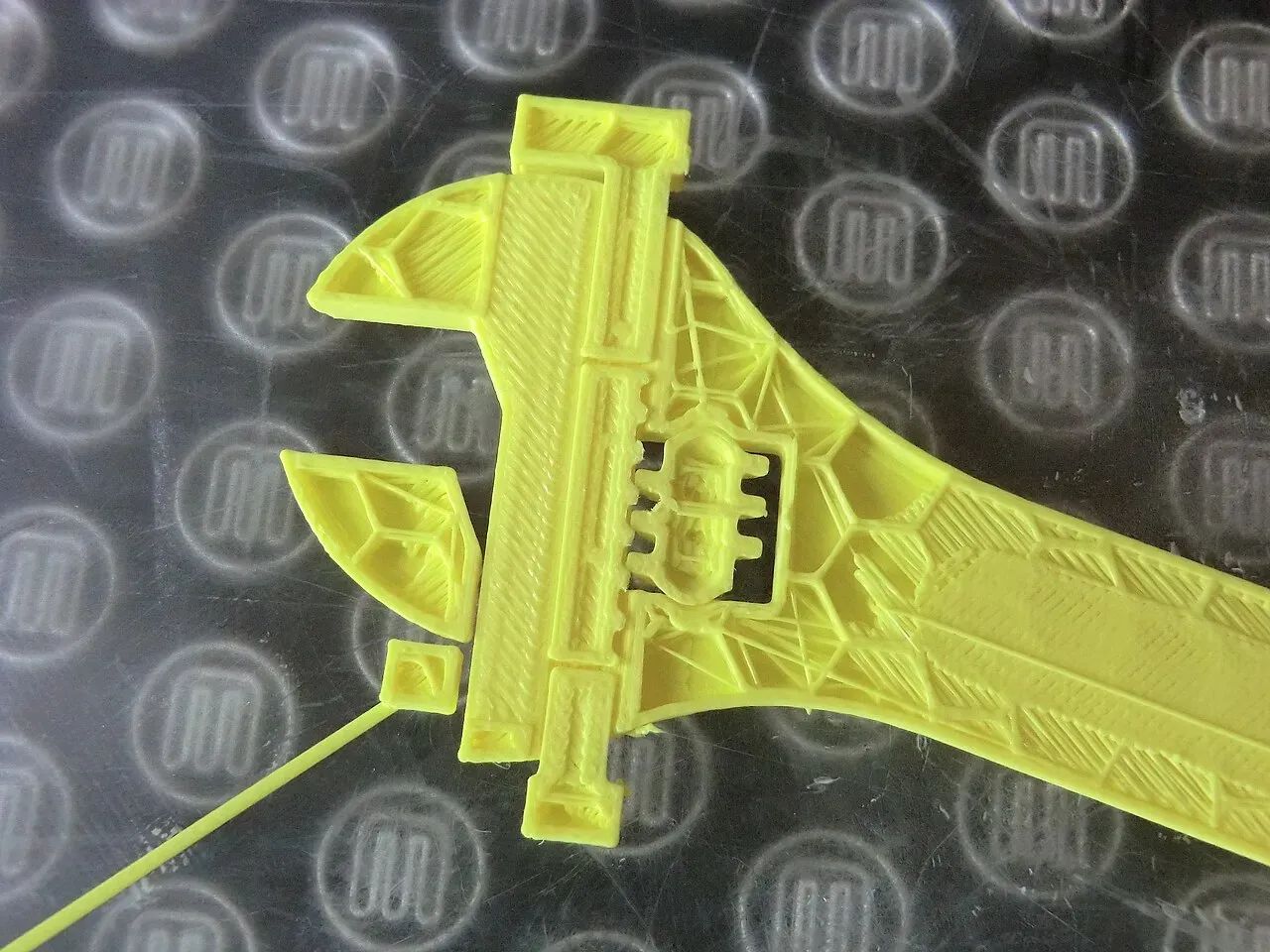 A working wrench printed in one piece.Photo: Creative Tools from Halmdstad, Sweden ·CC BY 2.0 ·Wikimedia Commons
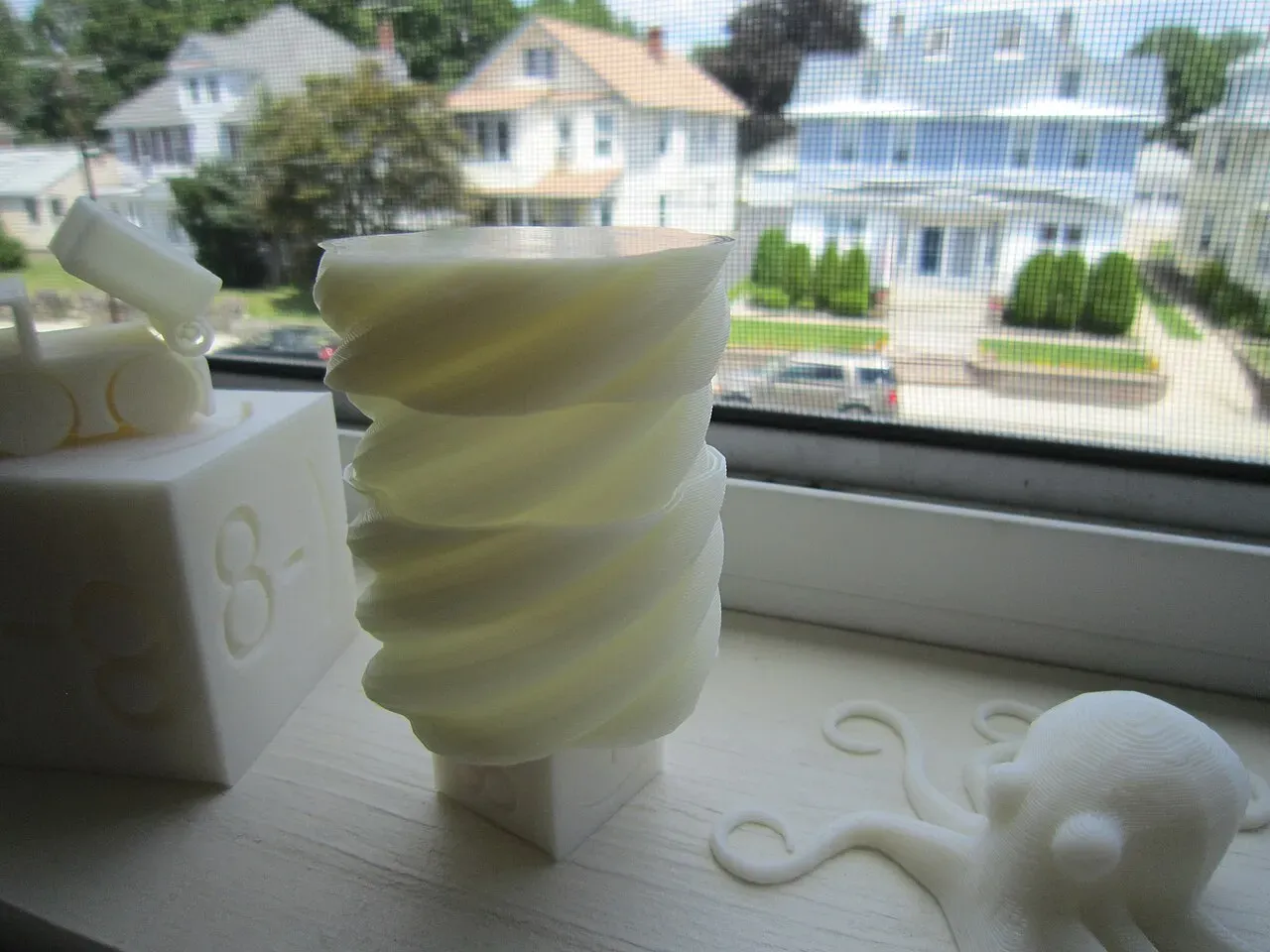 A screw-top box: threads print well at 0.2 mm layers.Photo: syvwlch ·CC BY 2.0 ·Wikimedia Commons
 Useful prints: planters on a shelf.Photo: Aaaatu ·CC BY-SA 4.0 ·Wikimedia Commons
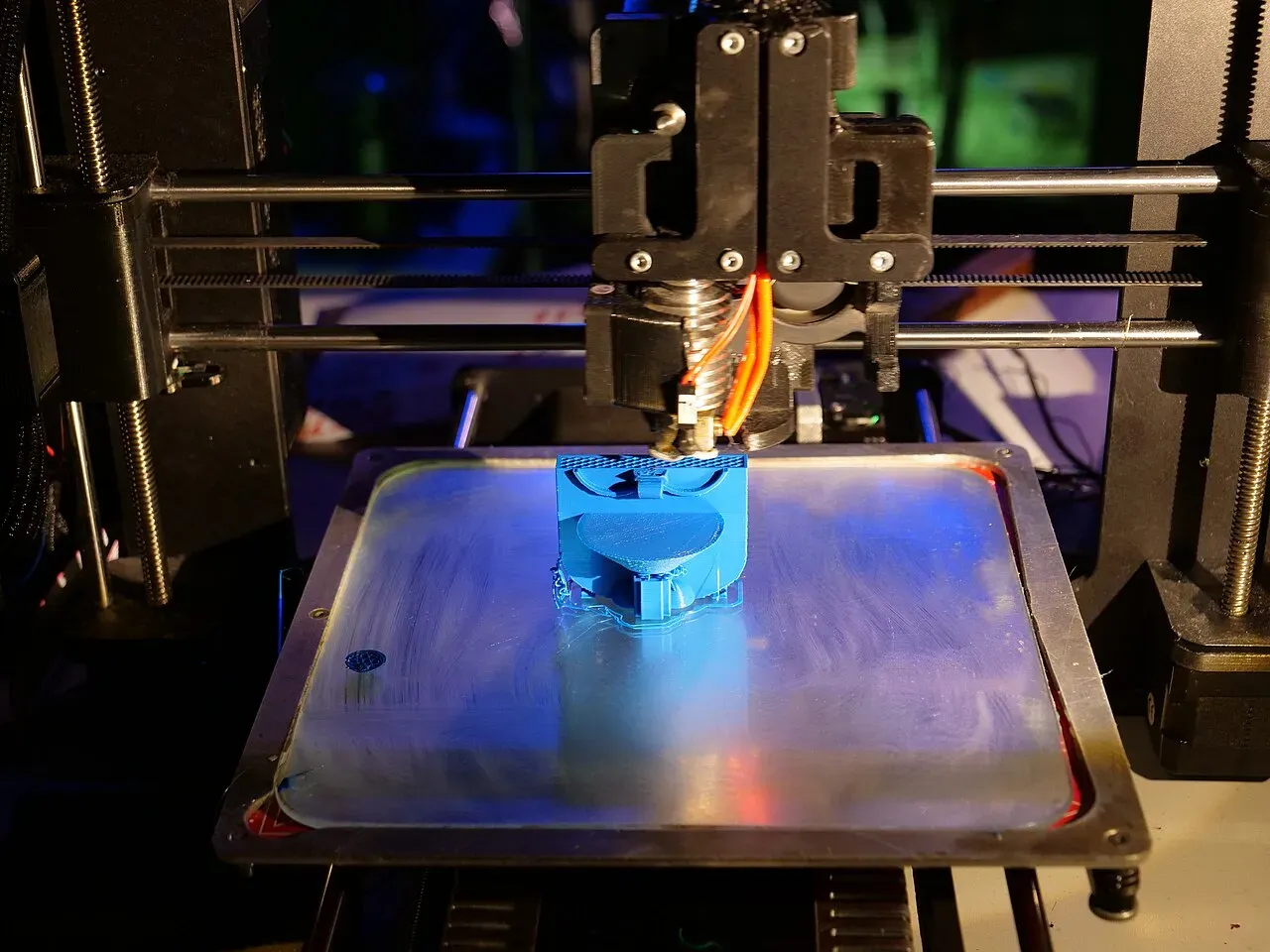 A part being printed on a spring-steel bed.Photo: Leonhard Lenz ·CC BY-SA 4.0 ·Wikimedia Commons
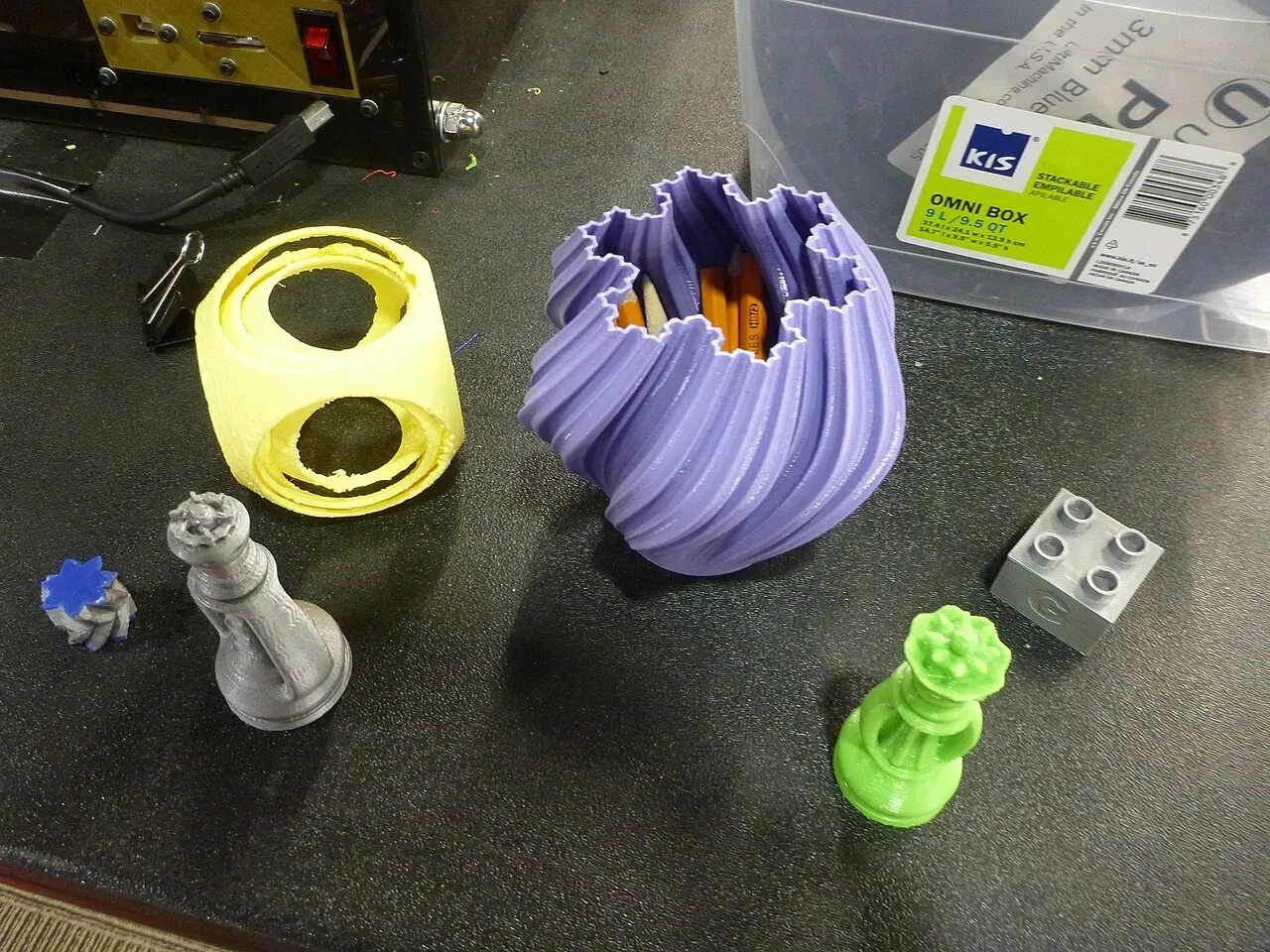 A table of small prints.Photo: Trevor Prentice ·CC BY-SA 2.0 ·Wikimedia Commons
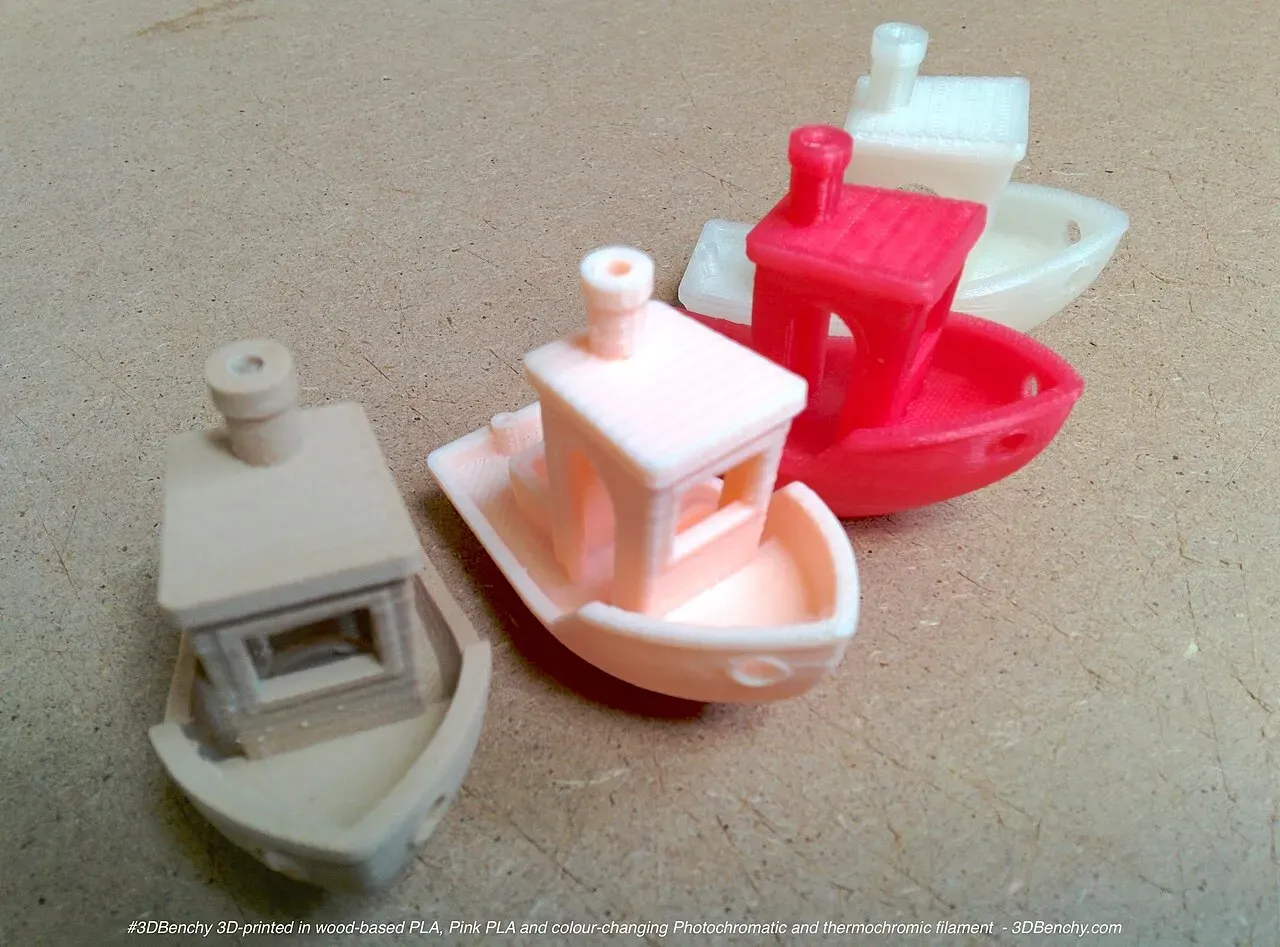 Printed Benchys in different filaments.Photo: 3DBenchy ·CC BY 2.0 ·Wikimedia Commons
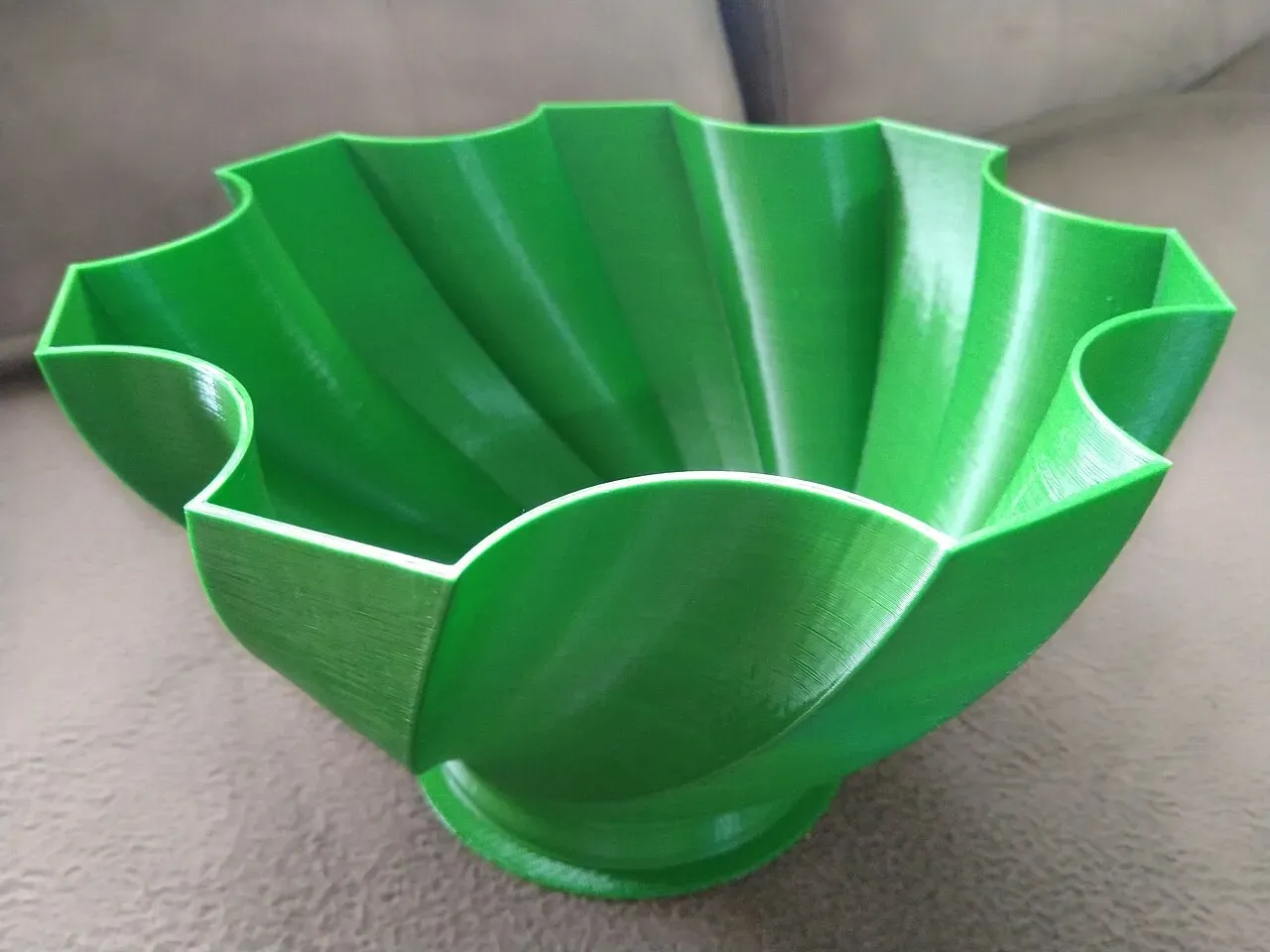 A printed bowl: walls only, no infill.Photo: Sumanbargavr ·CC BY-SA 4.0 ·Wikimedia Commons
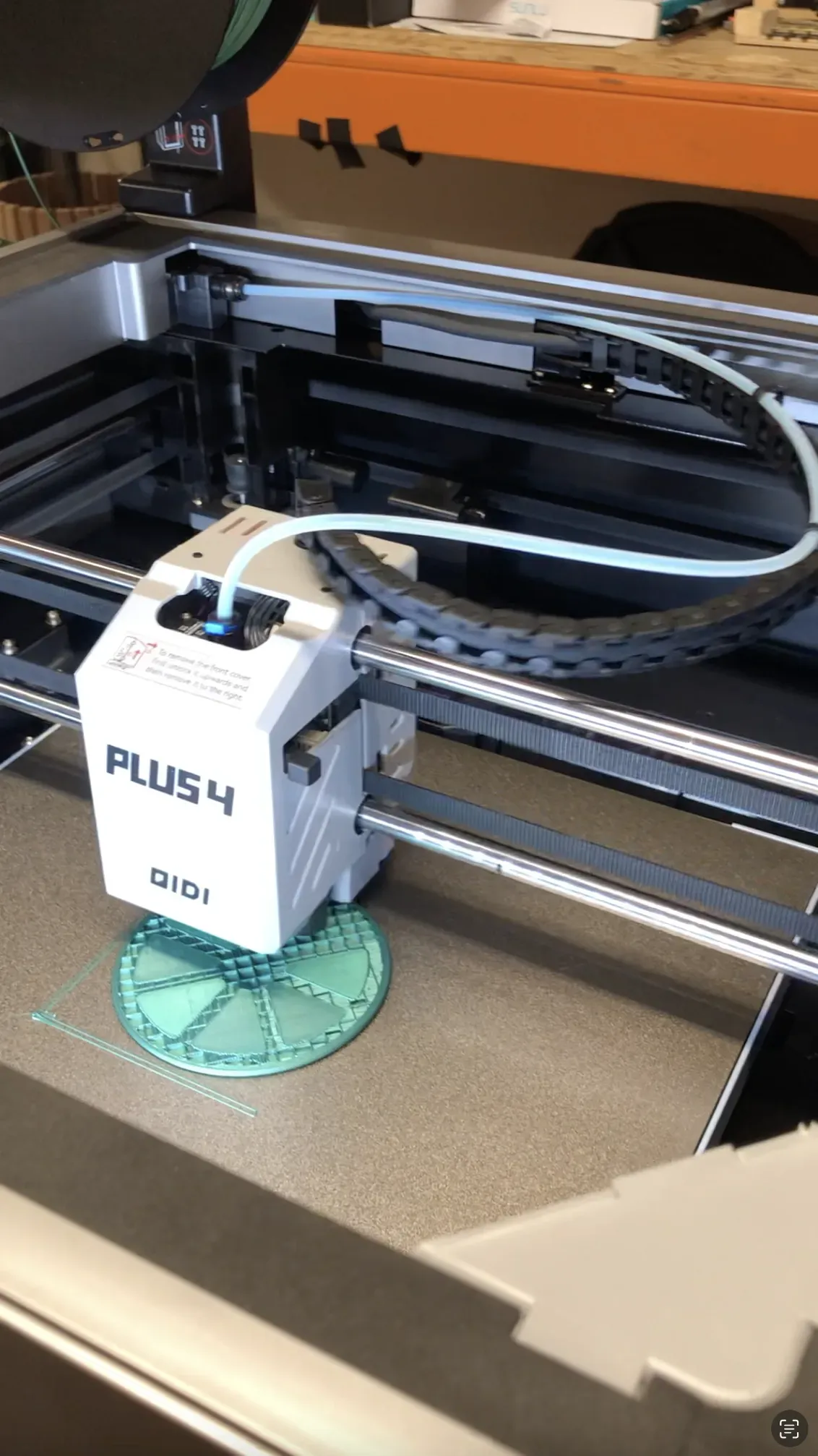 A CoreXY print head on a QIDI printer.Photo: Haroldbarlow8911 ·CC BY-SA 4.0 ·Wikimedia Commons
What the two plastics are
PETG (polyethylene terephthalate glycol) is a close relative of the PET used in drinks bottles. The added glycol stops it crystallising, which makes it clearer, less brittle and easier to print. It stays soft and sticky over a wide temperature range as it cools, which is why its layers bond so well and also why it strings.11The “G” stands for glycol-modified. Plain PET is used for bottles and food packaging; PETG is the printable version.
ABS (acrylonitrile butadiene styrene) is an oil-based engineering plastic used for LEGO bricks, keyboard keycaps, appliance housings and car trim. The rubbery butadiene part makes it tough, and the blend stays rigid to a higher temperature than PETG. It’s printed hotter and shrinks more as it cools, which is the root of almost every problem people have with it.
The short version: PETG is the easy tough plastic, ABS is the heat-resistant workshop plastic. Both are much tougher than PLA, and they cost about the same.
Printability: how hard is each one?
PETG is the easier of the two by a wide margin. It prints on an open printer in a normal room, needs only a warm bed and some part cooling, and rarely warps. Its main quirks are stringing and sticking too hard to some bed surfaces.
ABS asks for more on every front: a hotter nozzle and bed, little or no part cooling, warm still air around the part, and a strong grip on the bed. Without an enclosure, large ABS parts usually lift at the corners or crack between layers.
| Setting | PETG starting point | ABS starting point | Why |
|---|---|---|---|
| Nozzle temperature | 230–245 °C | 240–250 °C | Lower PETG temperatures string less; ABS needs heat to bond its layers |
| Bed temperature | 70–85 °C | 95–105 °C | ABS needs a hotter base so the bottom layers don’t shrink and lift |
| Part cooling fan | 30–50% | 0–30%, mainly for overhangs and bridges | Too much cooling weakens PETG’s layers and makes ABS shrink unevenly and crack |
| First layer | Slightly less squish than PLA | Well squished onto a clean bed | PETG drags and blobs if pressed too hard; ABS needs maximum grip |
| Retraction | A little more than PLA (about 0.8–1.5 mm direct drive, 5–7 mm Bowden) | Similar to PLA | PETG oozes more |
| Print speed | Printer default, slower first layer | Printer default | Both print well at normal speeds once dialled in |
| Bed surface | Textured PEI; glue stick as a release layer on smooth PEI or glass | Textured PEI, or glue stick on smooth surfaces | PETG can bond too strongly; ABS can let go |
| Brim | Rarely needed | 5–10 mm on parts with sharp corners | Holds ABS corners down while the part cools |
| Enclosure | Not needed | Strongly recommended | ABS needs warm, still air |
Start from your slicer’s own PETG or ABS filament profile and only change what you need to. A profile sets temperature, cooling and retraction together, which is where most first-time problems come from. A temperature tower finds the best nozzle temperature for a new spool in one short print.
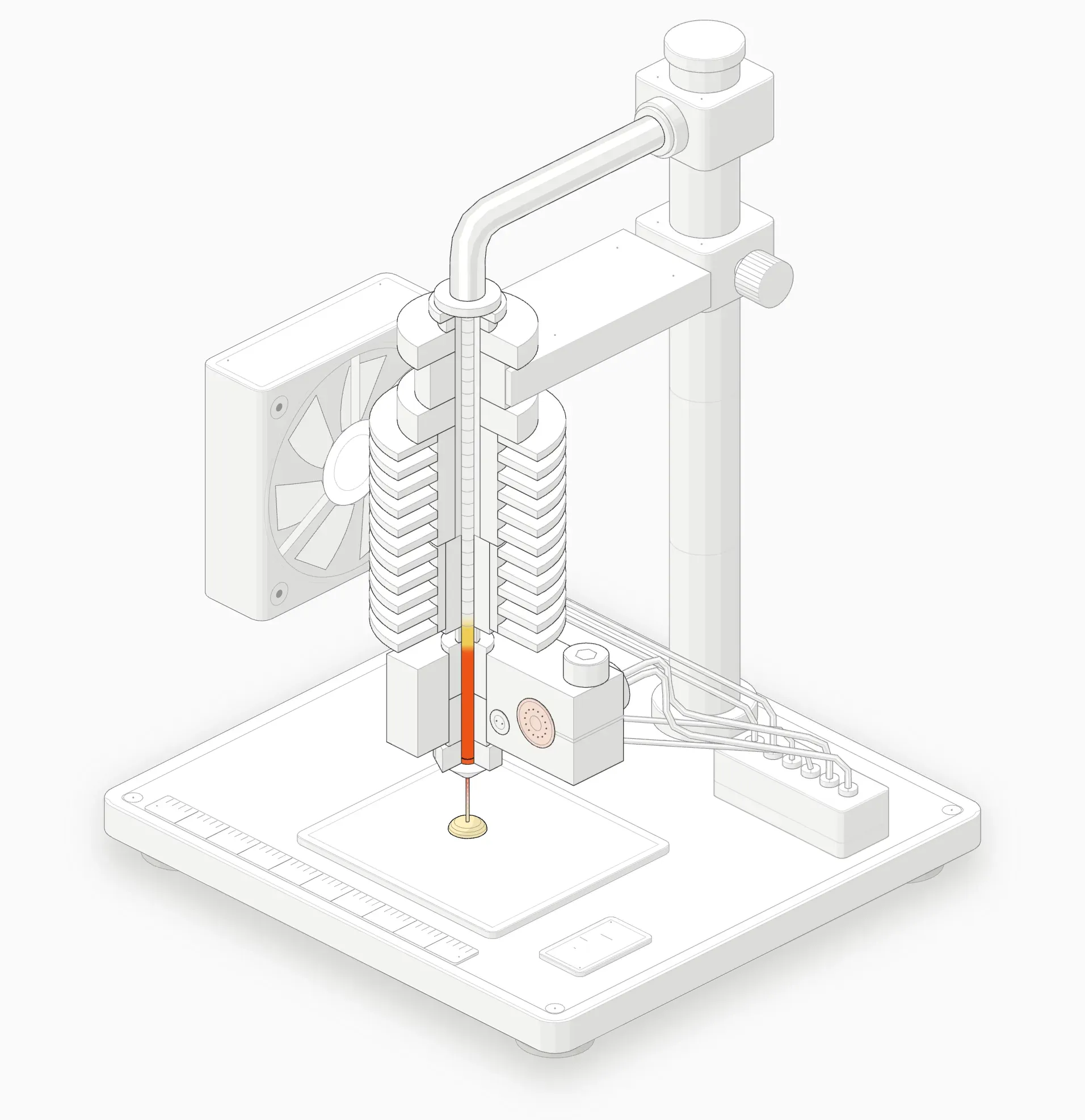 A V6-style hotend, cut away so you can see the filament inside.
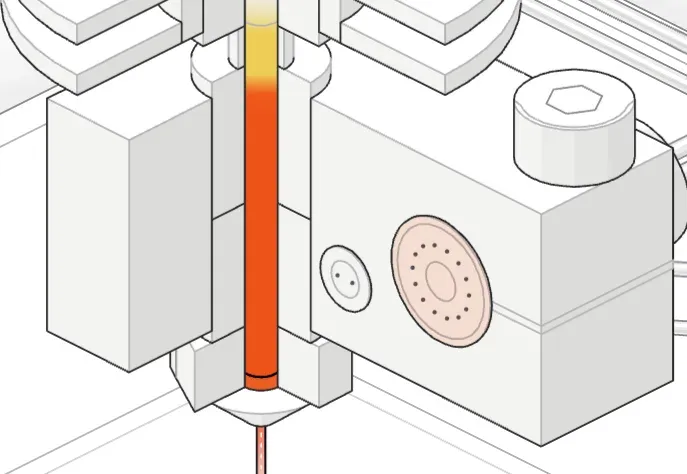 The heater block holds the heater cartridge and the thermistor.
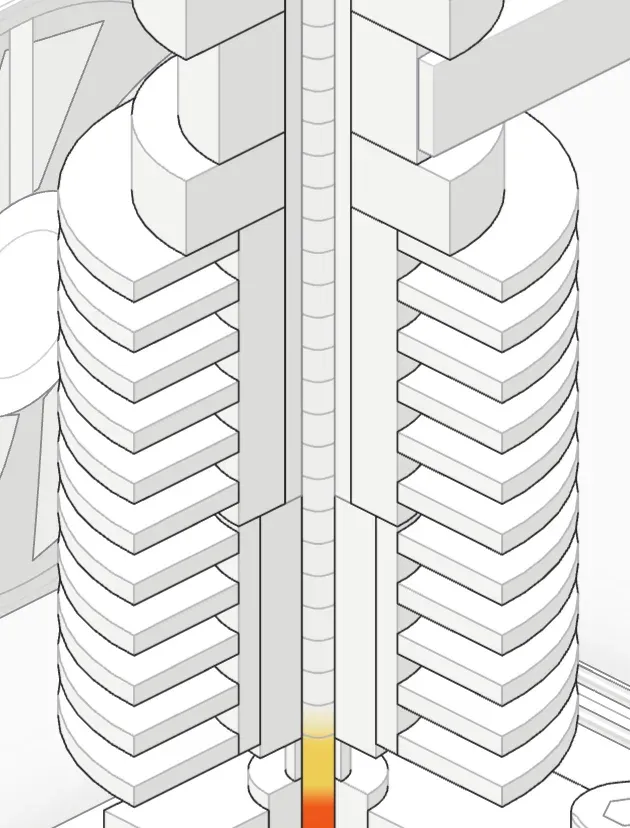 The finned heatsink keeps the top of the hotend cold.
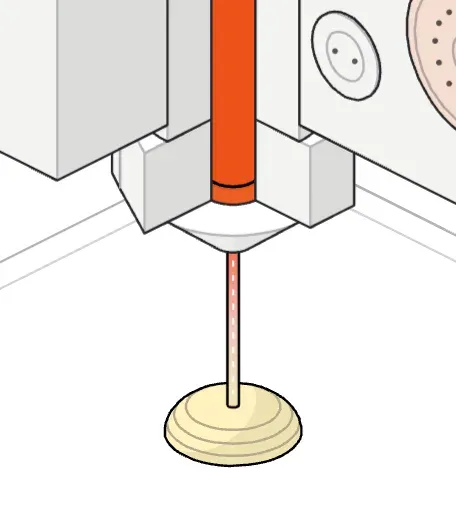 A brass 0.4 mm nozzle laying a thin strand.
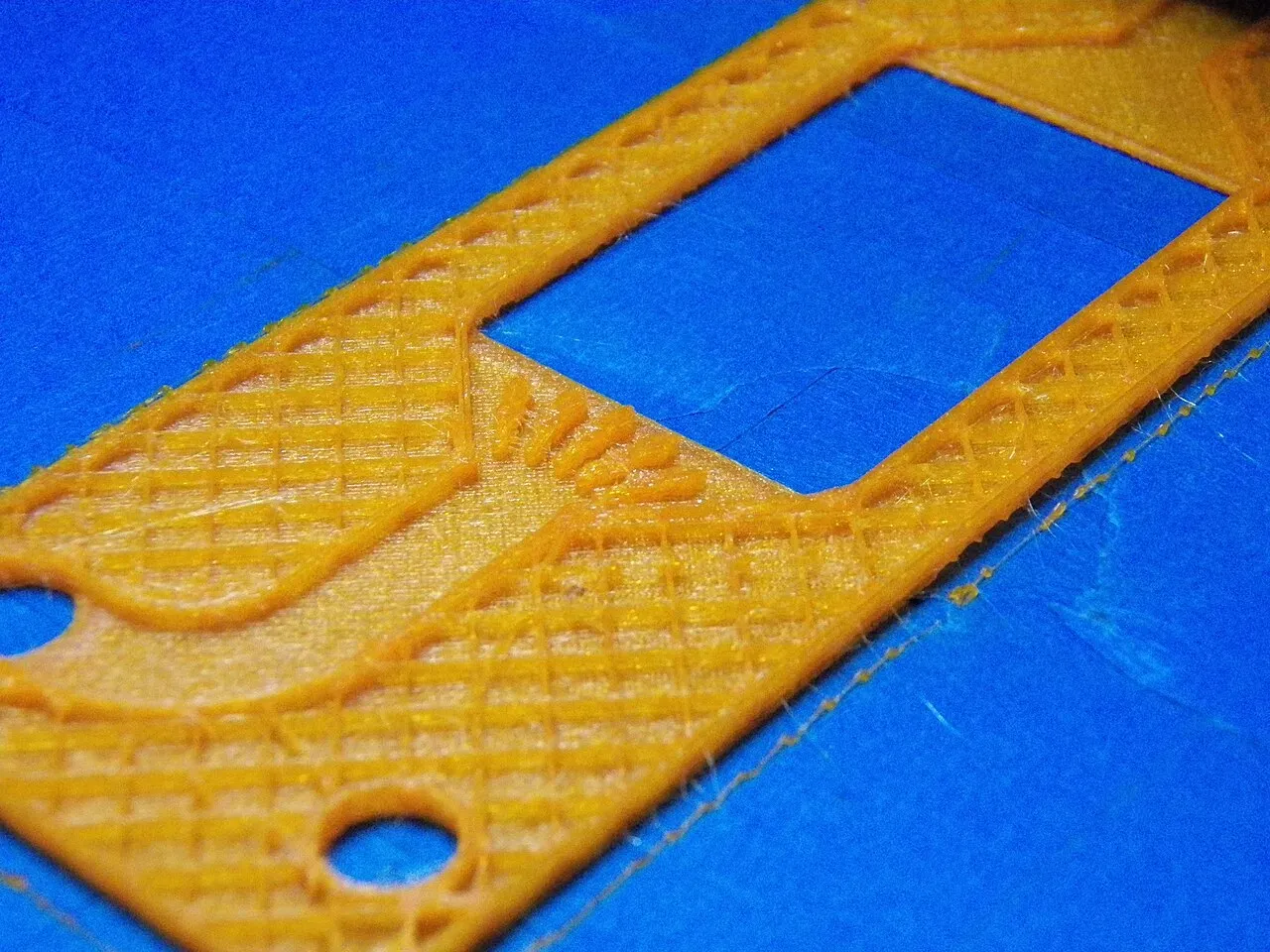 A first layer close up: lines pressed together on the bed.Photo: hdaniel ·CC BY-SA 2.0 ·Wikimedia Commons
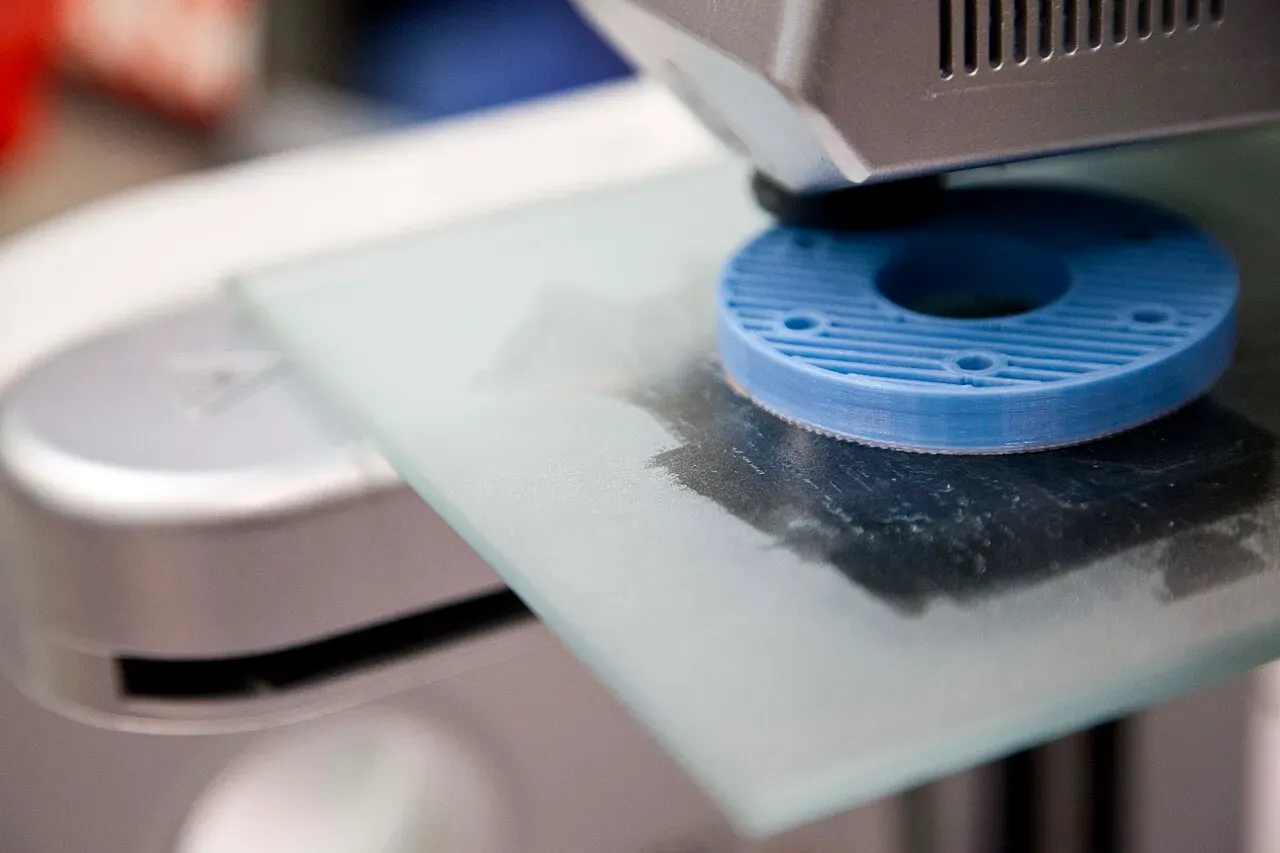 A print on a glass bed.Photo: ENERGY.GOV ·Public domain ·Wikimedia Commons
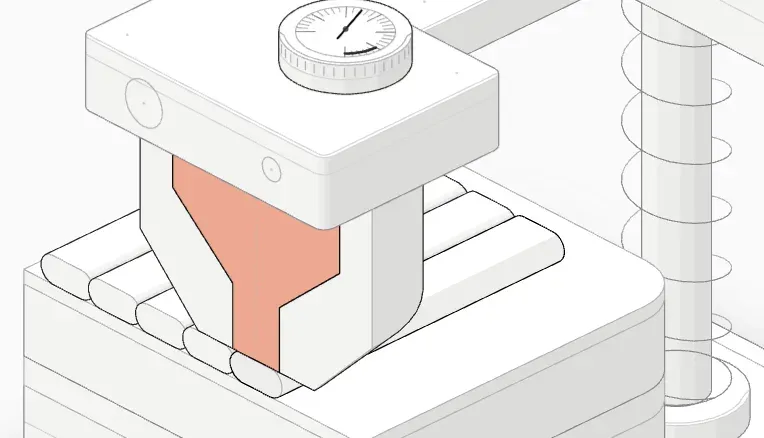 Cross-section, right height: a flattened line, about 0.45 × 0.20 mm.
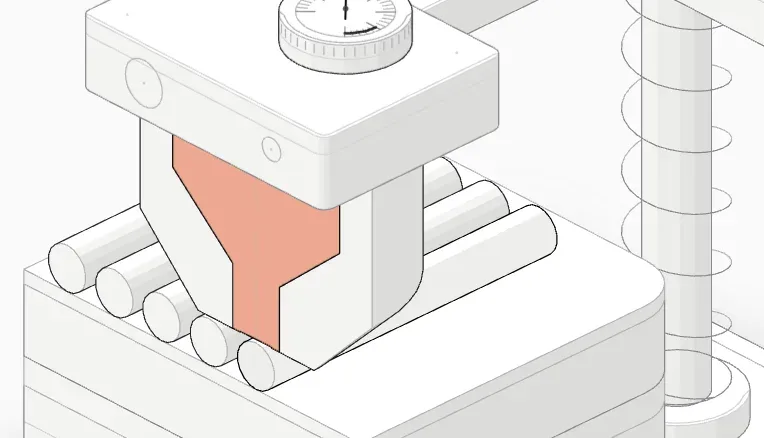 Cross-section, too high: the line stays round.
Warping: ABS’s biggest problem
Every plastic shrinks as it cools. ABS is printed hotter than PETG and shrinks more, so as the upper layers cool they pull inward and lift the corners of the part off the bed. On a wide flat part this can peel the corners up, crack the layers apart, or pop the whole part loose.
PETG shrinks much less. It warps on very large flat parts or in a draught, but on most prints it stays flat on a warm bed with no brim and no enclosure.
ABS · bed 100 °C · open air · corner lift 0.80 mm · warping
- M material: PLA or ABS (or click the controller screen)
- E enclosure on / off (or click the frame)
- F fan draft on / off (or click the fan)
- B brim on / off (or click the print)
- ↑ ↓ bed temperature ±5 °C (Shift ±10), 20–115 °C; or drag ↕
- Home reset: ABS, bed 100 °C, open air, no brim
To keep ABS flat:
- Print in an enclosure, so the whole part cools slowly and evenly.
- Keep the bed at 95–110 °C for the whole print.
- Add a brim of 5–10 mm on parts with sharp corners.
- Turn the part-cooling fan off, or keep it low.
- Keep draughts away: open windows, fans, air conditioning, doors.
- Round sharp corners on parts you design; square corners concentrate the pull.
Our full guide to fixing warping covers each step in detail, and first layer not sticking covers bed preparation.
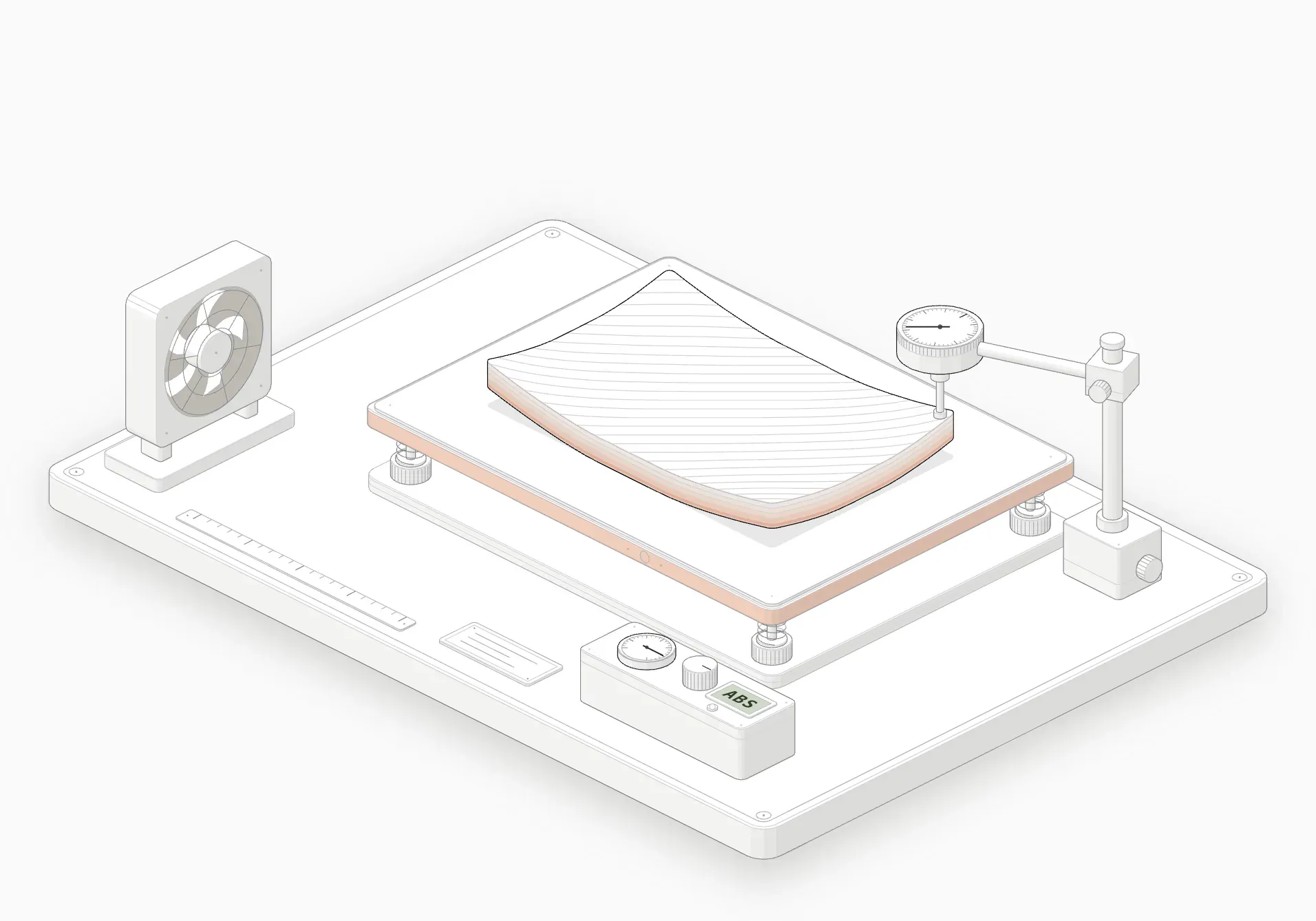 ABS, bed 100 °C, open air: ABS · bed 100 °C · open air · corner lift 0.80 mm · warping.
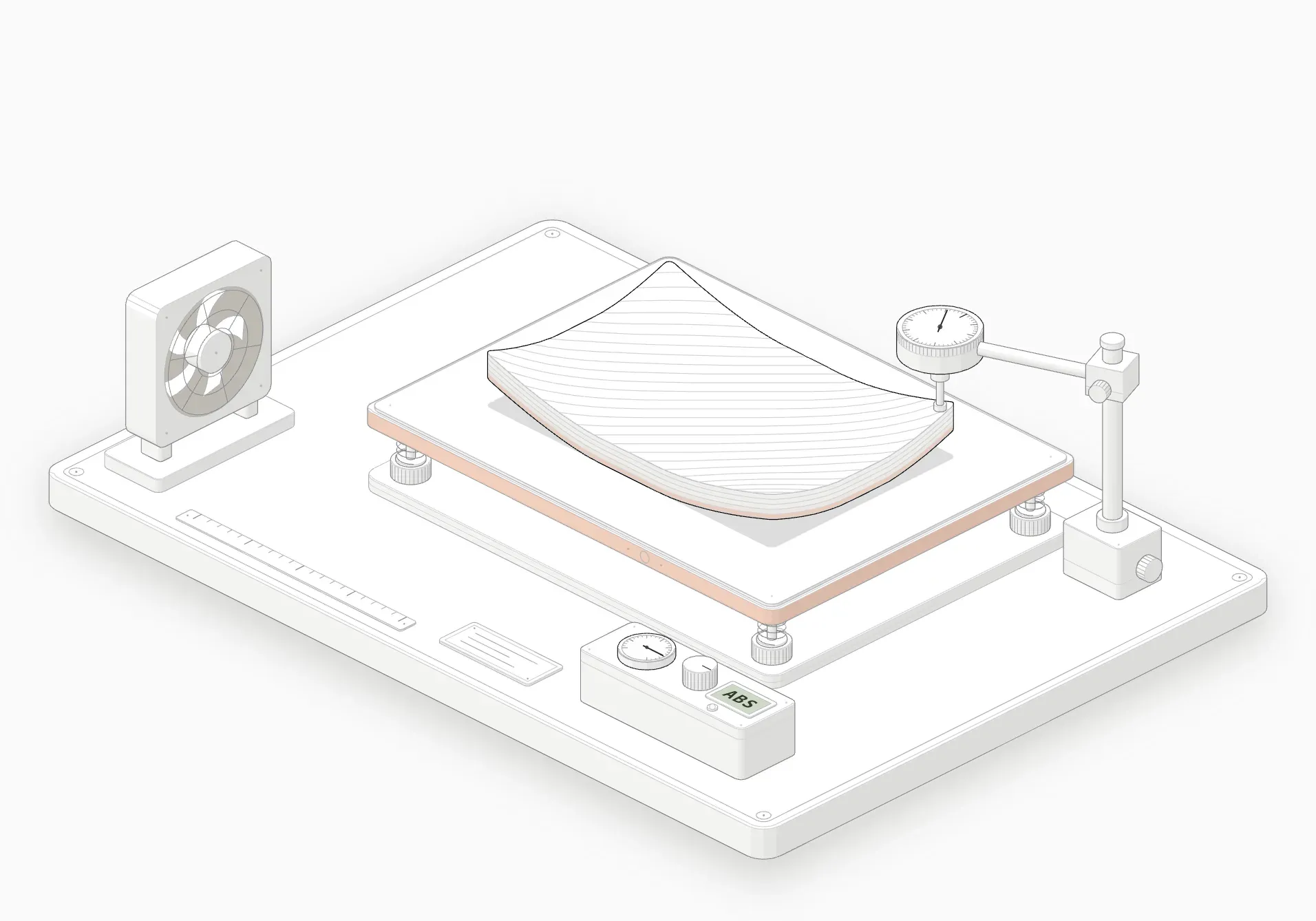 ABS in a draft: ABS · bed 100 °C · fan draft · corner lift 1.17 mm · warping.
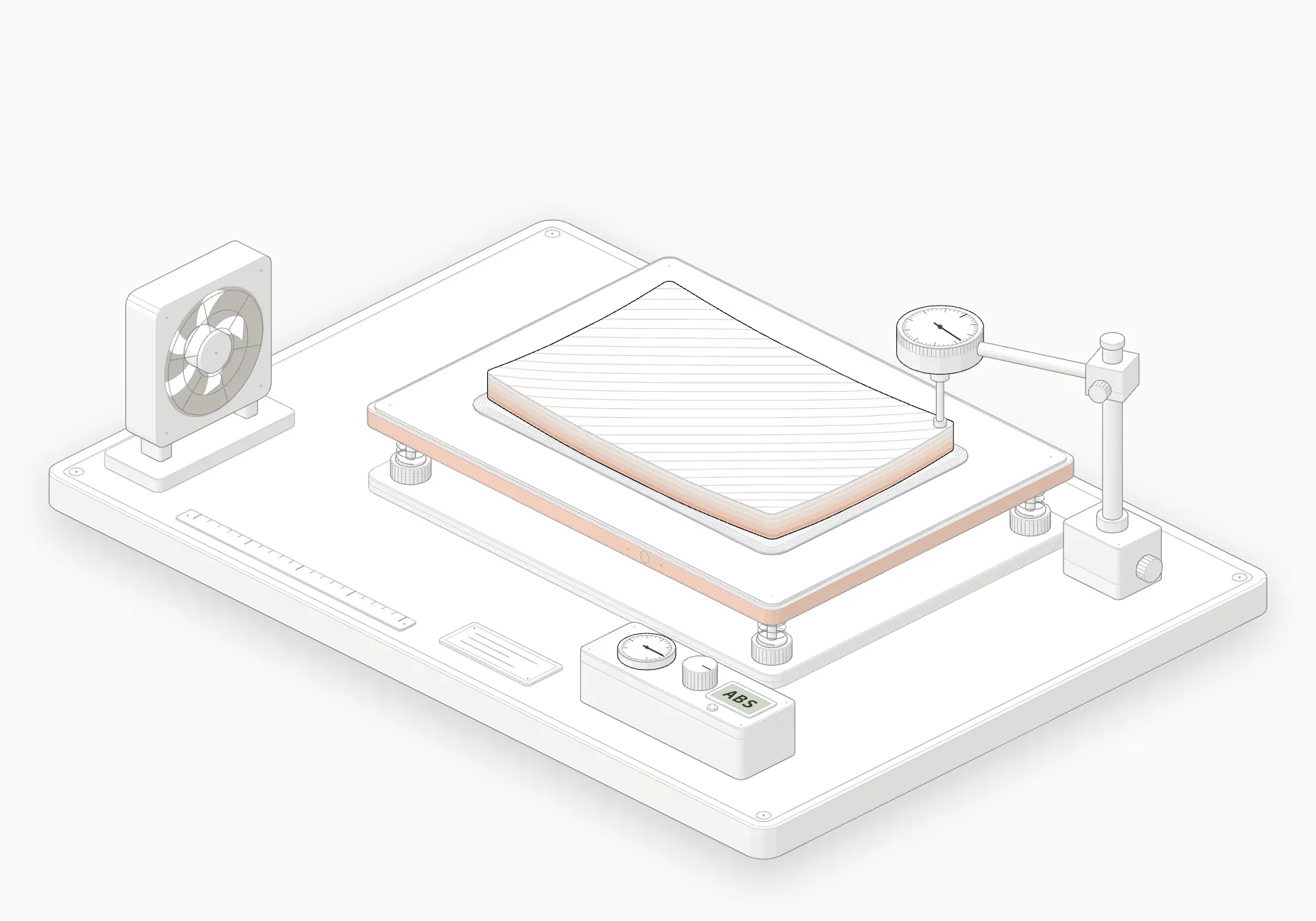 ABS with a brim: ABS · bed 100 °C · open air · brim · corner lift 0.35 mm · warping.
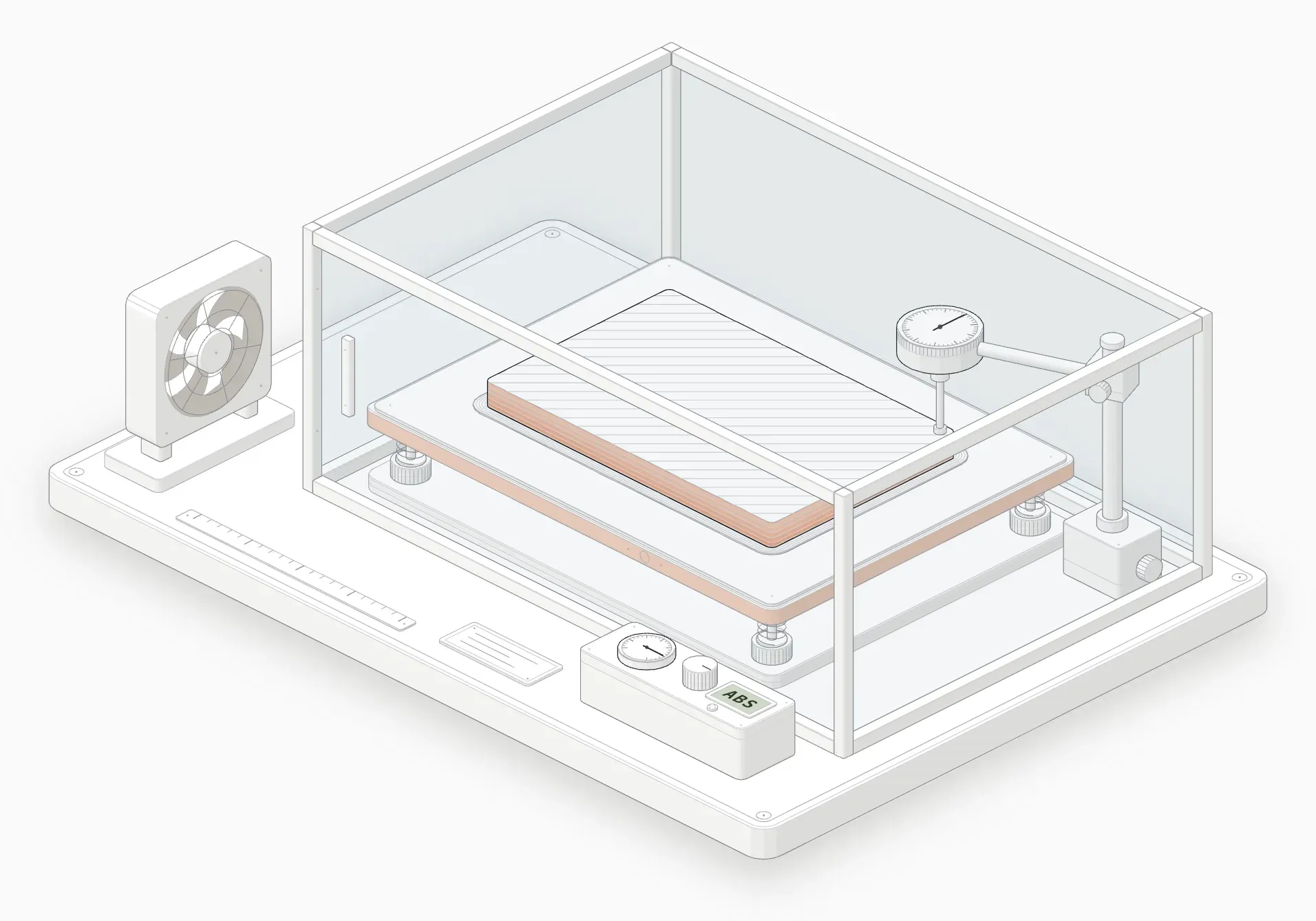 ABS enclosed, with a brim: ABS · bed 100 °C · enclosed · brim · corner lift 0.00 mm · flat.
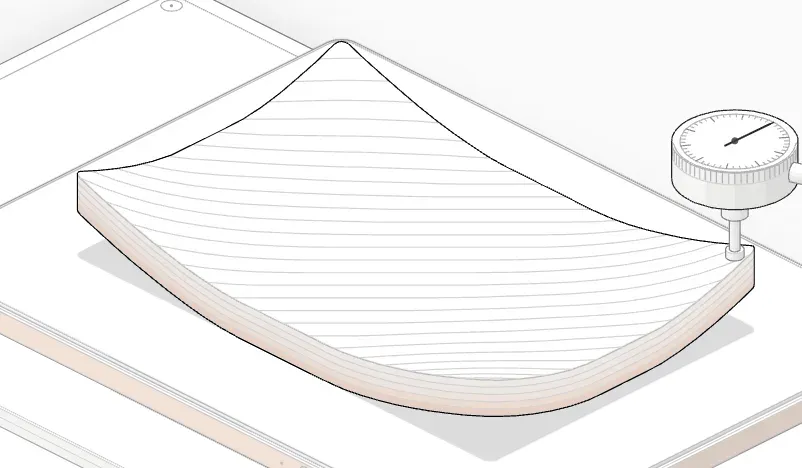 ABS, bed 60 °C: ABS · bed 60 °C · open air · corner lift 1.29 mm · warping.
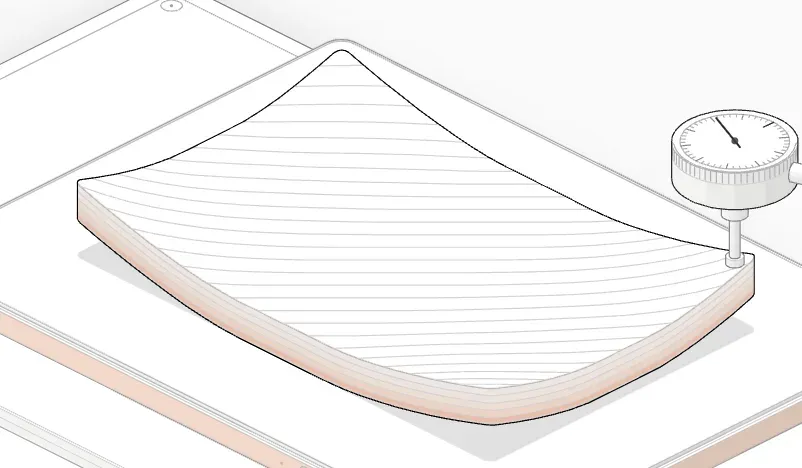 ABS, bed 80 °C: ABS · bed 80 °C · open air · corner lift 1.05 mm · warping.
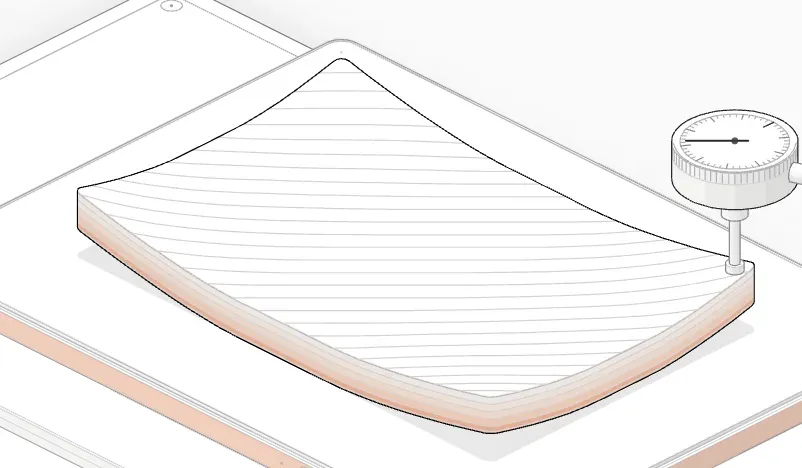 ABS, bed 100 °C: ABS · bed 100 °C · open air · corner lift 0.80 mm · warping.
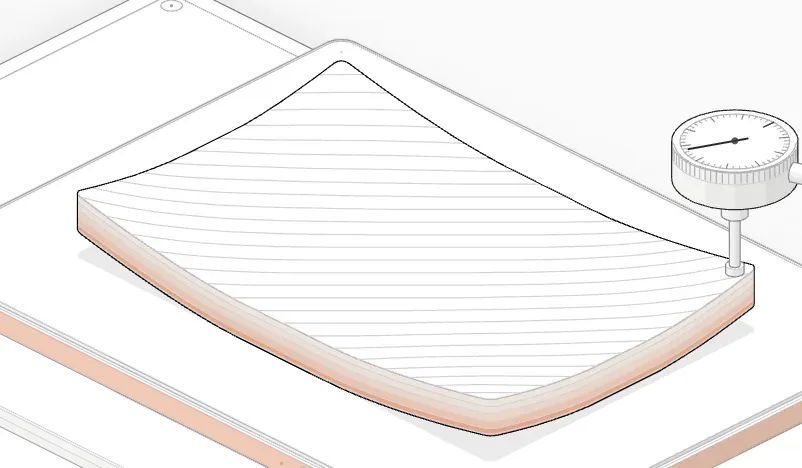 ABS, bed 110 °C: ABS · bed 110 °C · open air · corner lift 0.74 mm · warping.
Fumes, ventilation and enclosures
This is the difference that matters most if your printer lives in your home.
All filaments release some fine particles and fumes when they melt. Published measurements have consistently found that ABS releases more than the lower-temperature materials. One of the first widely cited studies, by Stephens and colleagues in 2013 (Atmospheric Environment), found desktop printers releasing large numbers of ultrafine particles, with ABS releasing far more than PLA. Later work, including Azimi and colleagues in 2016 (Environmental Science & Technology), found the same pattern across more printers and filaments: emissions depend heavily on the material and temperature, and ABS is among the higher emitters.
ABS’s sharp smell comes mainly from styrene. The International Agency for Research on Cancer (IARC) classifies styrene as “probably carcinogenic to humans” (Group 2A), based largely on studies of people exposed to it at work over long periods.22That classification describes how strong the evidence is that styrene can cause cancer, not how much risk a given exposure carries. It doesn’t show that hobby printing causes harm, but it’s a clear reason to keep exposure low, which is what the safety bodies advise. PETG prints at similar temperatures but smells far less and is generally described as a low-emission filament, though it isn’t emission-free.
The US National Institute for Occupational Safety and Health (NIOSH) gives the same broad advice for any 3D printing space: use the lowest-emitting material that does the job, print at the recommended temperature, ventilate or use a filtered enclosure, and don’t sit beside the printer while it runs. For ABS, that means:
- Don’t print it in a bedroom, a small office or any room where people spend hours with the door shut.
- Use an enclosure with a carbon filter, or one that vents outside through a duct. An enclosure alone only holds the fumes until you open it.
- Leave the enclosure closed for a while after the print finishes, so the filter can clear the air inside first.
- Keep pets, and especially birds, away.
PETG doesn’t need any of this beyond a normally ventilated room. For the full picture of emissions, filters and fire safety, read is 3D printing safe?
- An enclosure keeps heat in for ABS and ASA.Photo: -stk ·CC BY-SA 4.0 ·Wikimedia Commons
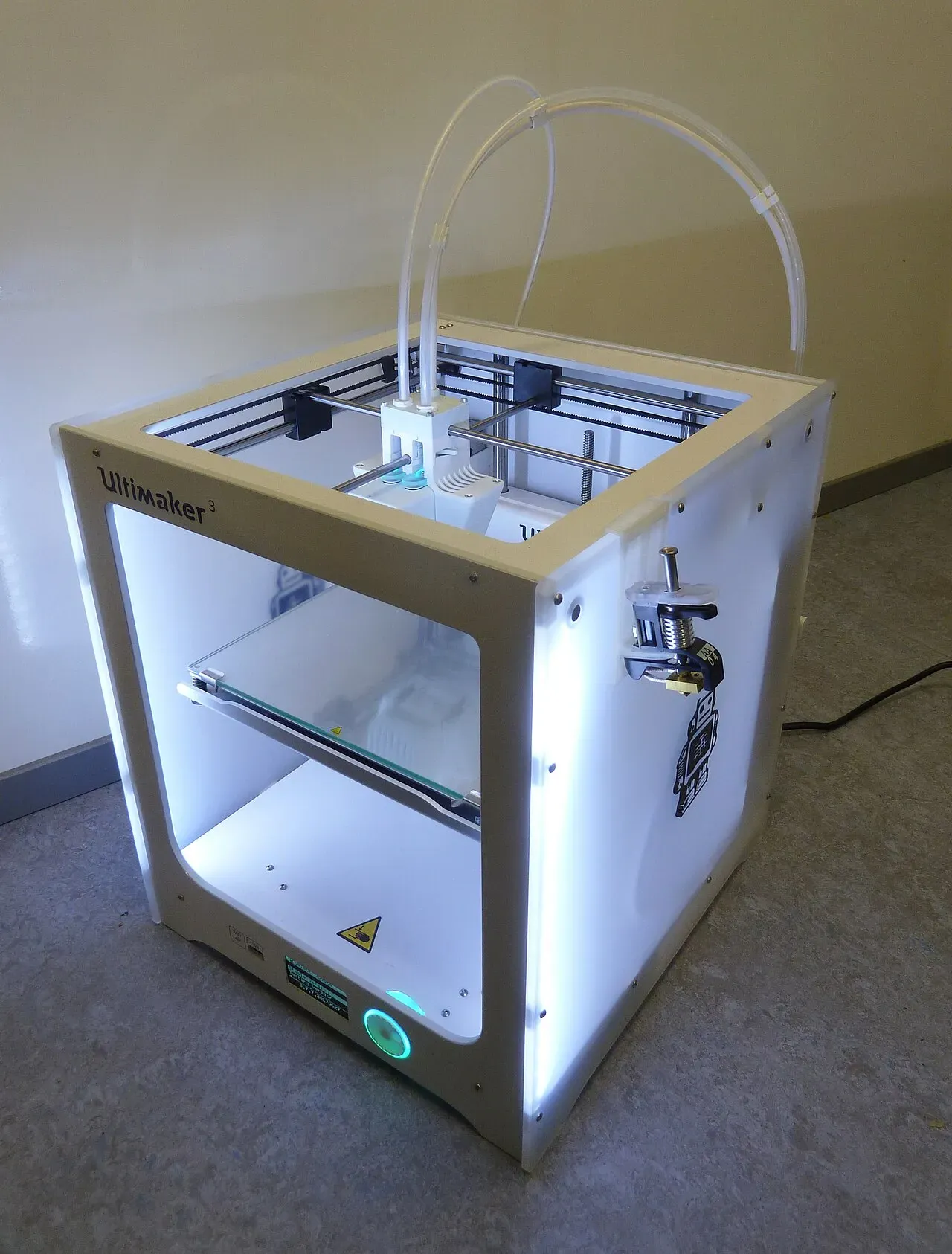 An Ultimaker 3, a boxed desktop printer.Photo: DirkvdM ·CC BY-SA 4.0 ·Wikimedia Commons
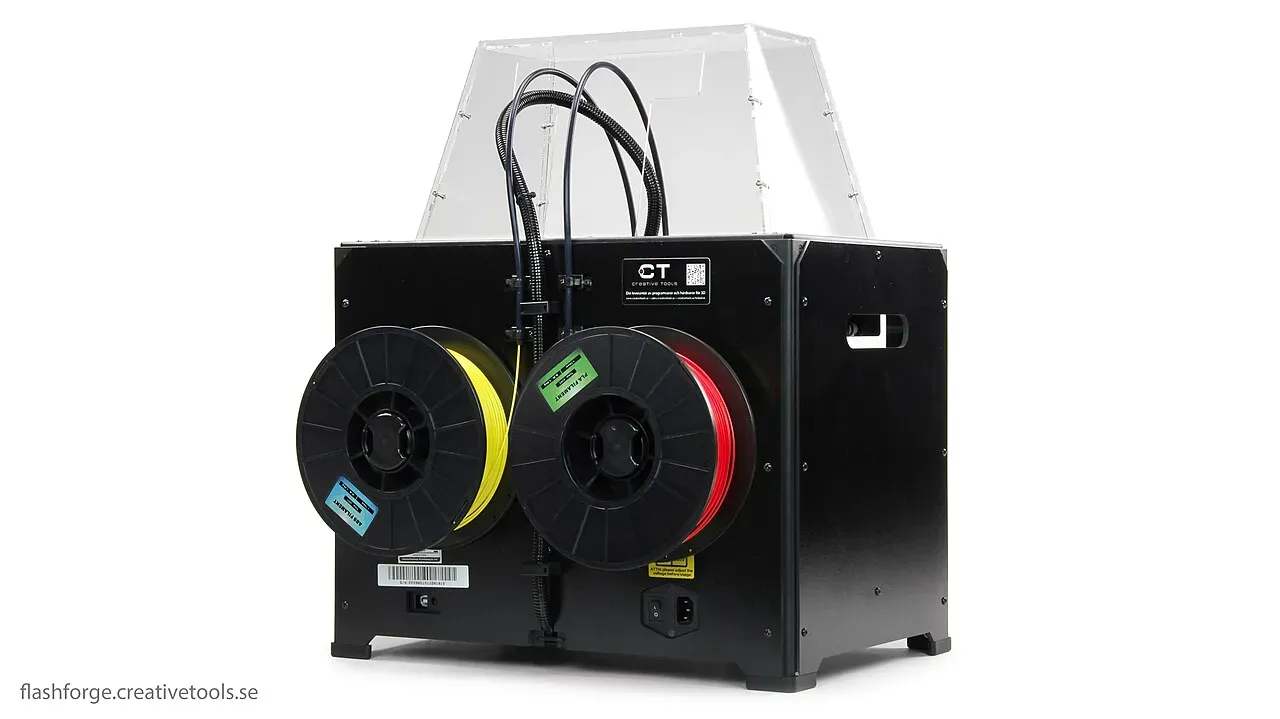 A boxed dual-extrusion printer.Photo: Creative Tools from Halmstad, Sweden ·CC BY 2.0 ·Wikimedia Commons
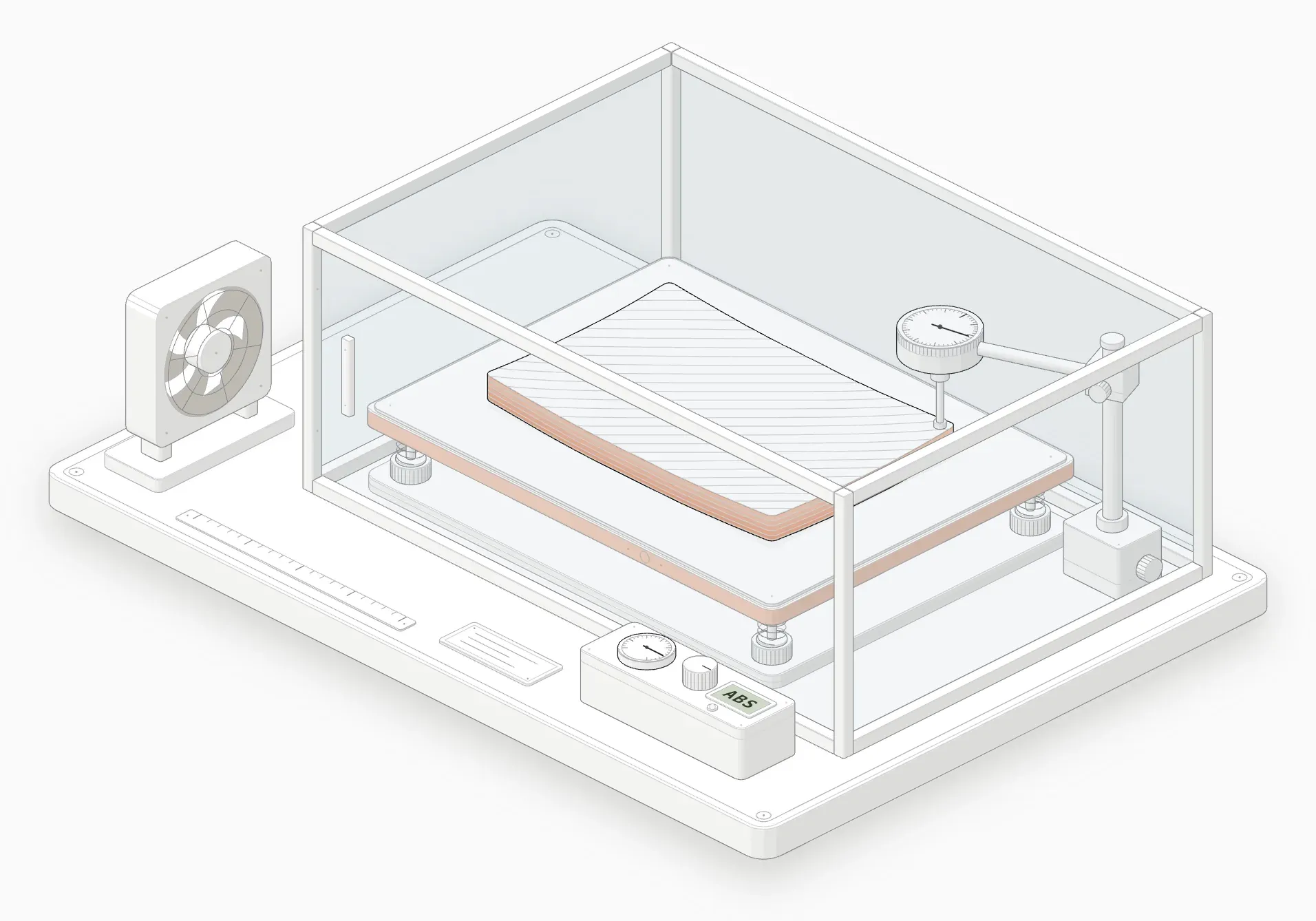 ABS in an enclosure: ABS · bed 100 °C · enclosed · corner lift 0.28 mm · slight lift.
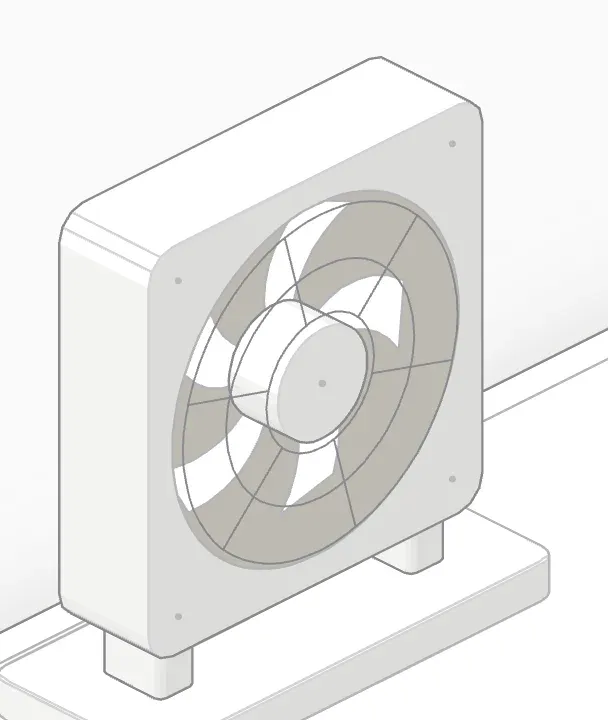 A draft cools the part from one side.
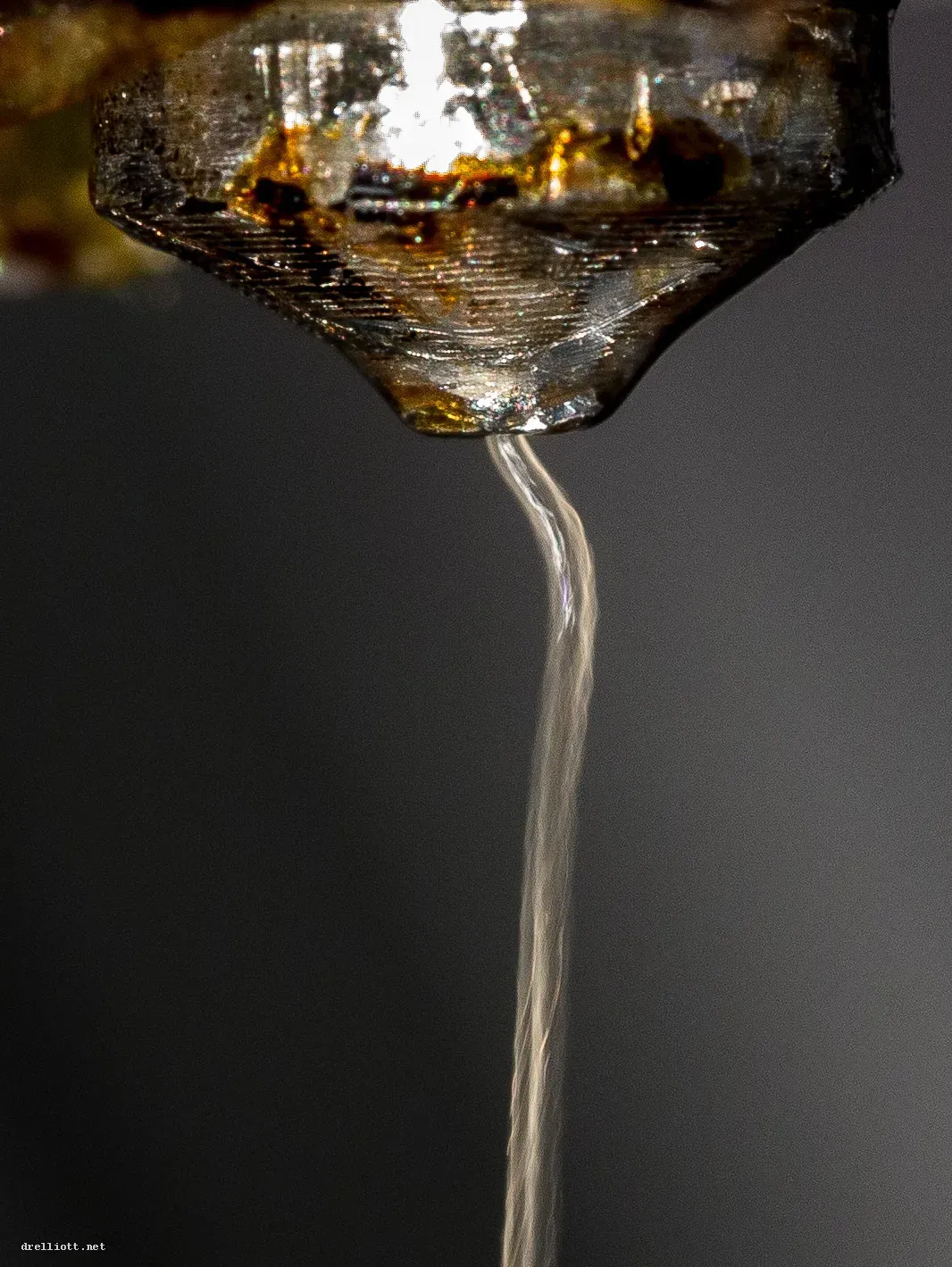 Molten plastic leaving the nozzle.Photo: David Elliott from UK ·CC BY 2.0 ·Wikimedia Commons
Does PETG need an enclosure?
No. PETG prints well on an open printer, and an enclosure makes little difference to most parts. If your printer is enclosed, you can print PETG with the door closed; just keep the inside from getting very hot, since very warm air around the hotend can make heat creep more likely with lower-temperature filaments. Very large flat PETG parts can benefit from the still air an enclosure gives, much as ABS does, but they rarely need it.
Strength: which is stronger?
Neither plastic simply wins. Each is better at something.
- Toughness: both are much tougher than PLA. Both bend and absorb a knock before breaking.
- Layer strength on an open printer: PETG usually wins. It bonds its layers well in a normal room, while ABS printed in open air often has weaker layers because the part cools too quickly, and tall ABS parts can split along a layer line.
- Layer strength in a warm enclosure: ABS bonds well when it’s kept warm, and the gap closes.
- Stiffness: broadly similar, with brand and blend mattering as much as the base plastic. Check the technical data sheet if you need numbers.
- Strength when hot: ABS clearly wins above about 70 °C, because PETG is approaching the point where it softens.
In practice: for a working part printed on an open printer, PETG is usually the stronger result. For a part that gets hot, ABS (or ASA) is.
- A working wrench printed in one piece.Photo: Creative Tools from Halmdstad, Sweden ·CC BY 2.0 ·Wikimedia Commons
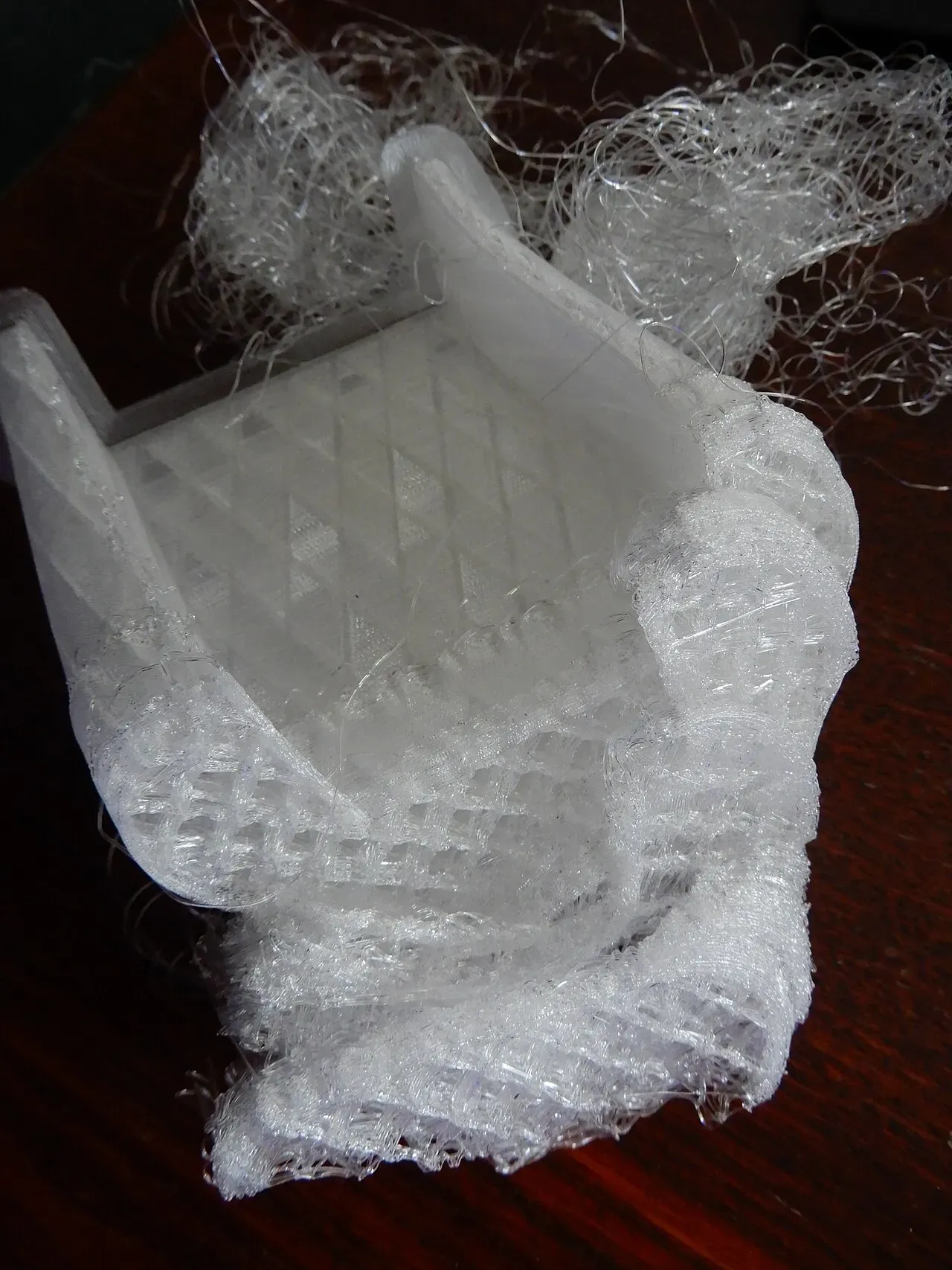 A print that broke loose partway through.Photo: EwkaC ·CC BY-SA 4.0 ·Wikimedia Commons
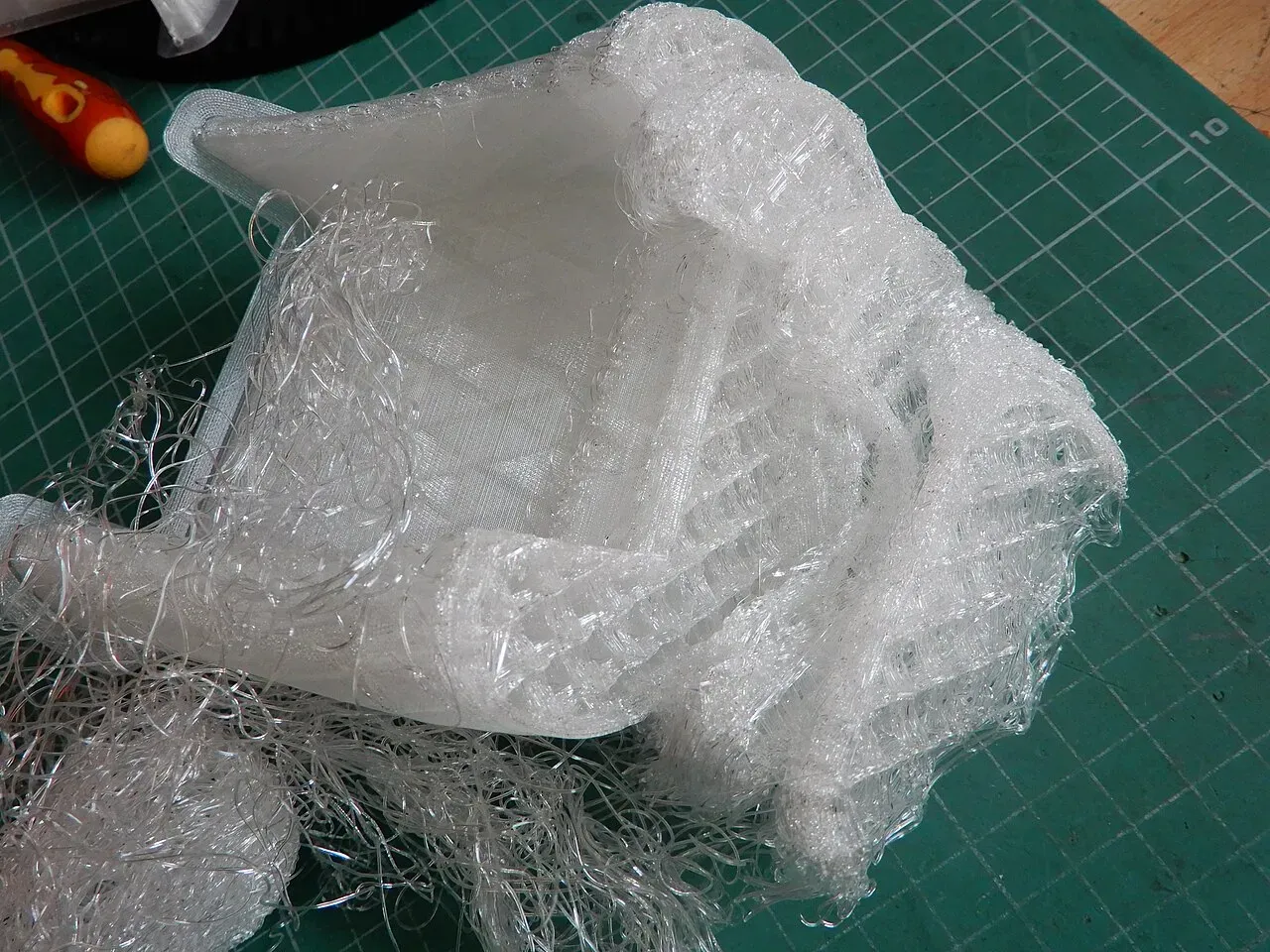 The same failure from the side: layers stop where the part moved.Photo: EwkaC ·CC BY-SA 4.0 ·Wikimedia Commons
Heat resistance
This is where ABS clearly wins.
- PETG starts to soften around 75–80 °C. That’s comfortably above PLA’s 55–60 °C, and enough for most warm rooms, sunny windows and a car interior in mild weather.
- ABS stays rigid until about 95–105 °C. That covers hot car interiors, enclosures for warm electronics, and parts near motors, lamps and heaters.
These are glass transition temperatures: the point where the plastic turns from rigid to rubbery. A part under load starts to creep (slowly bend) a little below it, so leave a margin.33Exact values vary between brands and blends; the technical data sheet usually lists a glass transition or heat deflection temperature.
20 °C · PLA rigid, 0.3 mm · ABS rigid, 0.5 mm
- ← → hot plate ±5 °C (Shift ±1), 20–120 °C; or drag ↔
- End straight to 120 °C
- Home fresh brackets at 20 °C
Outdoors, water and chemicals
Sunlight. ABS doesn’t like UV light: left outdoors, it yellows and turns brittle over time. PETG copes better and is a reasonable choice for outdoor parts that will last a season or a few years. For parts that live in direct sun for years, ASA is the usual choice: it prints like ABS but resists UV far better.
Water and chemicals. PETG is used for bottles for a reason: it resists water and many household chemicals well. ABS is fine with water but dissolves in acetone, which is a downside for a part that might meet solvents and the whole point if you want to smooth or glue it.
Post-processing: sanding, gluing and acetone
ABS is the nicer material to finish. It sands, drills, taps and cuts cleanly, and acetone softens its surface so you can weld parts together or vapour-smooth a print into a glossy, almost moulded finish.
PETG is harder to finish. It tends to go gummy and fuzzy when sanded, acetone doesn’t smooth it, and it glues less reliably than ABS; cyanoacrylate (superglue) and epoxy are the usual choices, and roughening the surfaces helps.
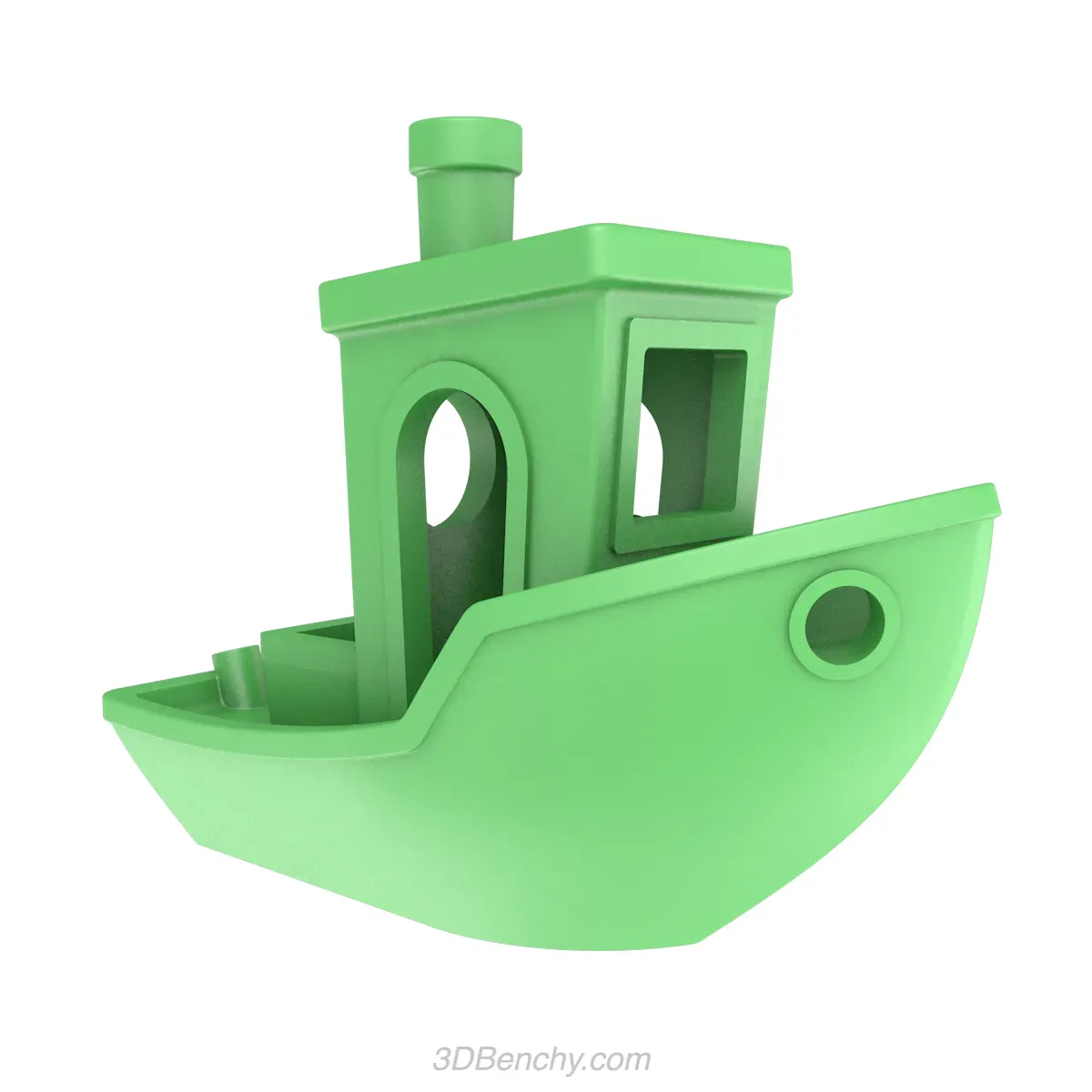 3DBenchy, the test model every printer is judged by.Photo: Creative Tools ·CC BY 2.0 ·Wikimedia Commons
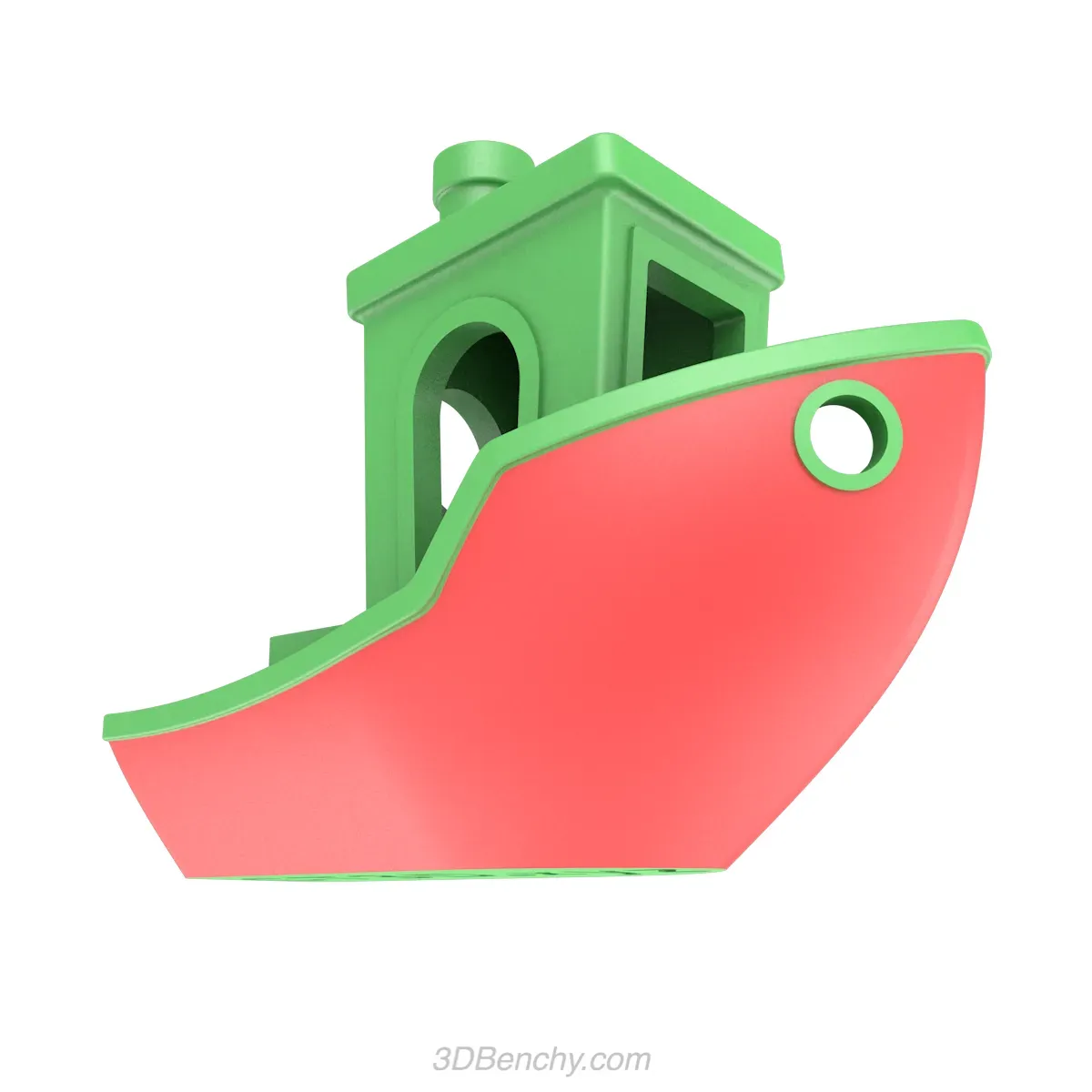 The hull is a curved overhang test.Photo: CreativeTools: https://www.thingiverse.com/Cr… ·CC0 ·Wikimedia Commons
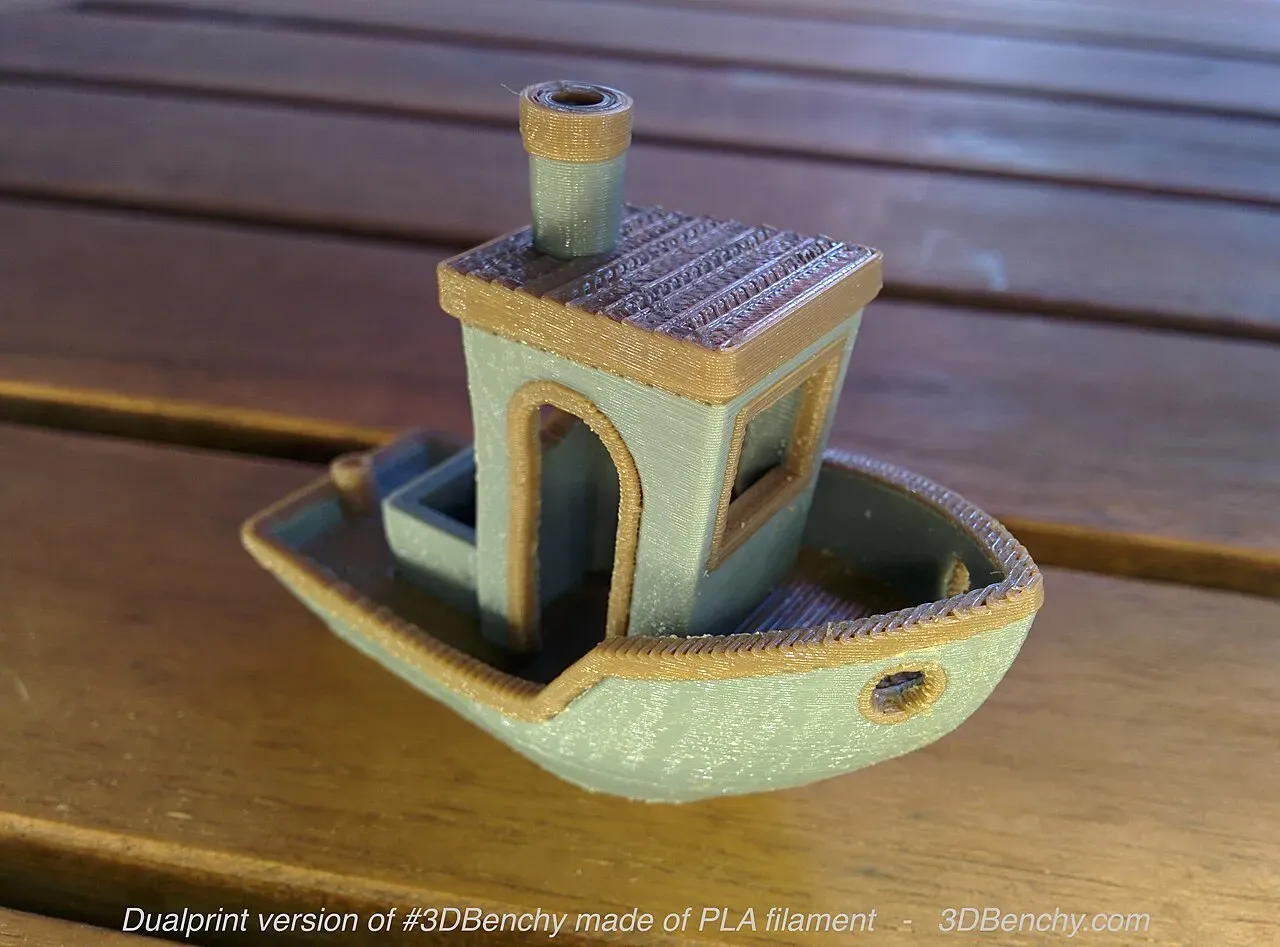 A two-colour Benchy.Photo: 3DBenchy ·CC BY 2.0 ·Wikimedia Commons
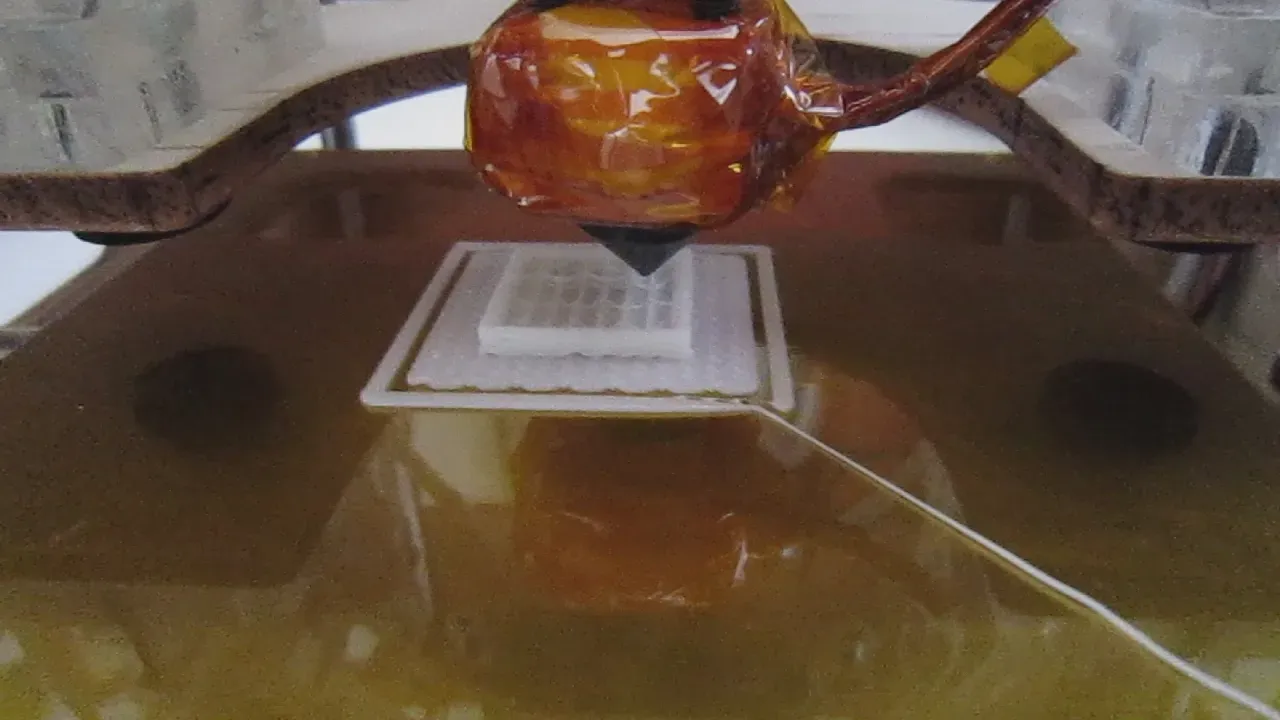 The calibration cube a few layers in.Photo: syvwlch ·CC BY 2.0 ·Wikimedia Commons
Stringing and surface finish
PETG’s biggest everyday annoyance is stringing. It stays sticky over a wide temperature range, so it oozes on travel moves and stretches into fine wisps instead of snapping off. Expect a few even with good settings; they peel or heat-gun off easily. ABS strings less.
To keep PETG strings under control:
- Dry the spool. Wet PETG strings far worse.
- Print at the low end of its temperature range.
- Add a little retraction, in small steps.
- Turn on avoid crossing walls so travel stays inside the part.
Our guide to fixing stringing covers each step, and what is retraction explains the mechanism. PETG can also pick up plastic on the nozzle and leave small blobs if the first layer is squished too hard.
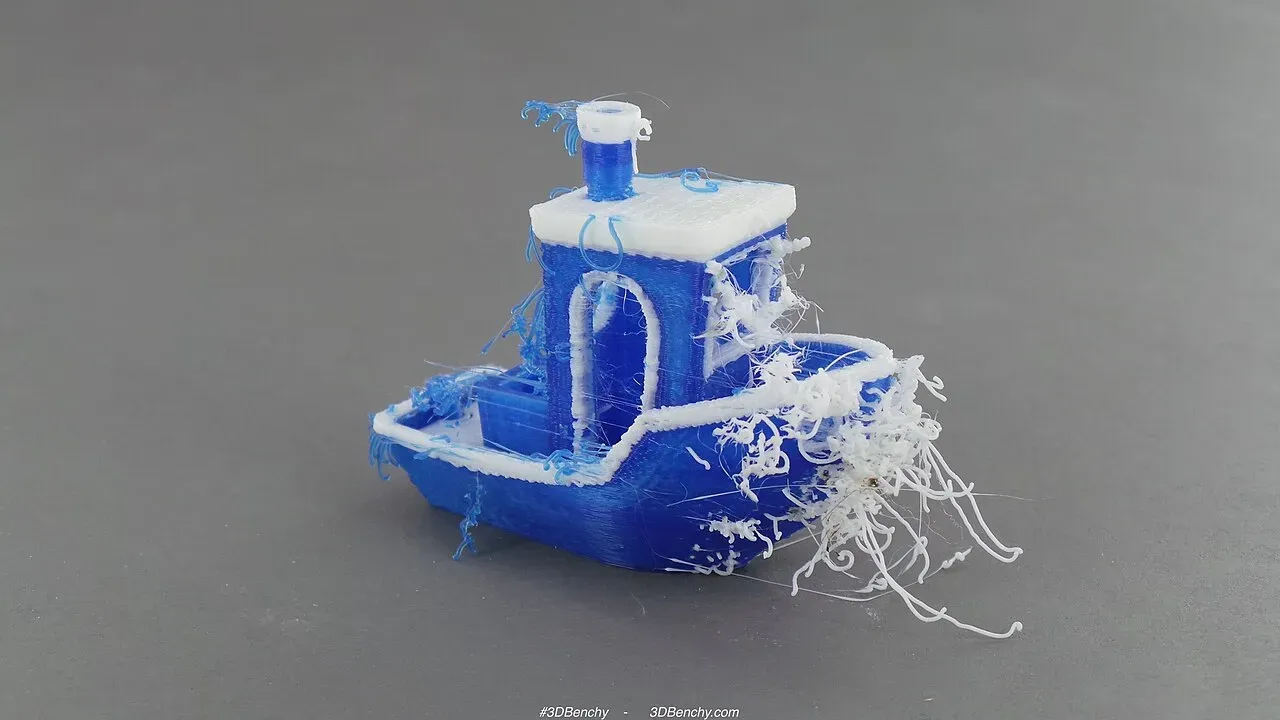 Stringing on a two-colour Benchy, where travel moves cross open air.Photo: 3DBenchy ·CC BY 2.0 ·Wikimedia Commons
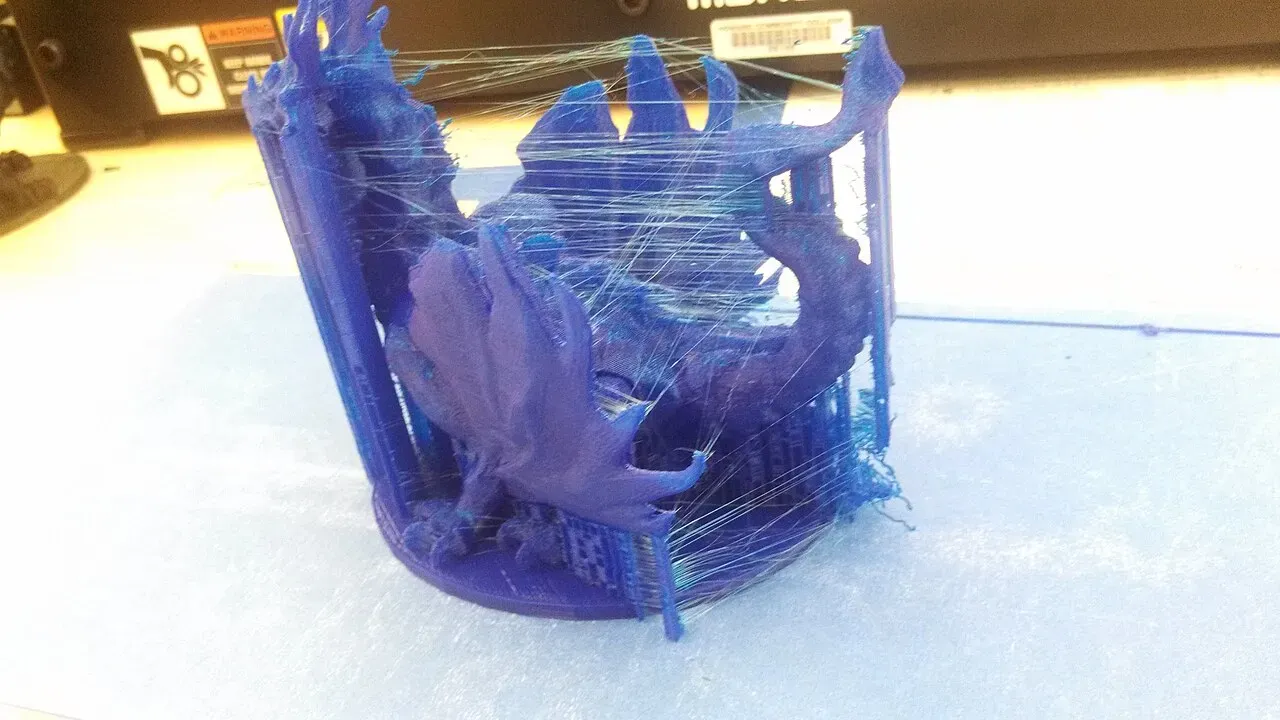 Close up: strings stretched between every travel move.Photo: SuperBlobMonster ·CC BY-SA 3.0 ·Wikimedia Commons
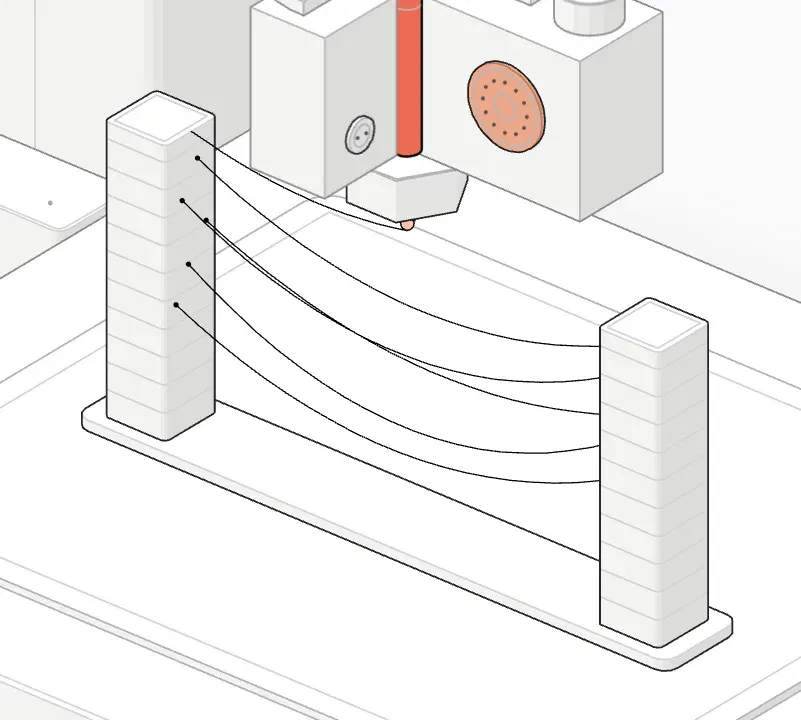 Hotter plastic is runnier: thinner, saggier strings.
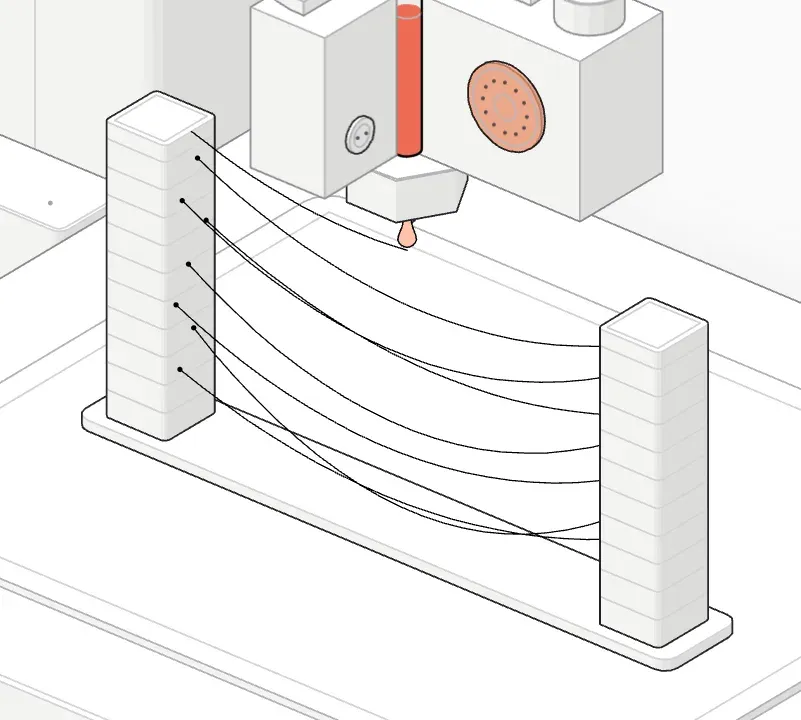 225 °C · 0.0 mm: many strings.
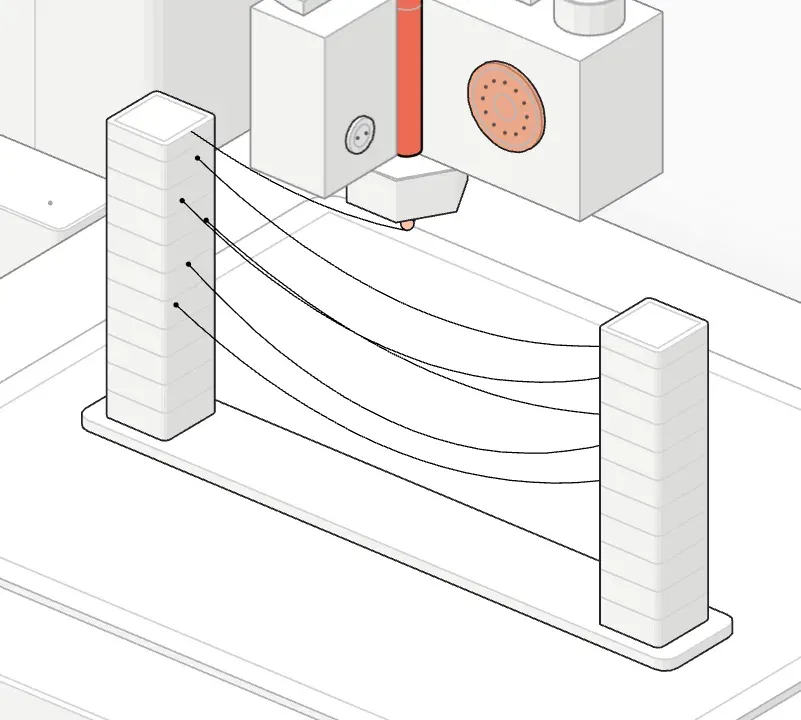 225 °C · 0.8 mm: many strings.
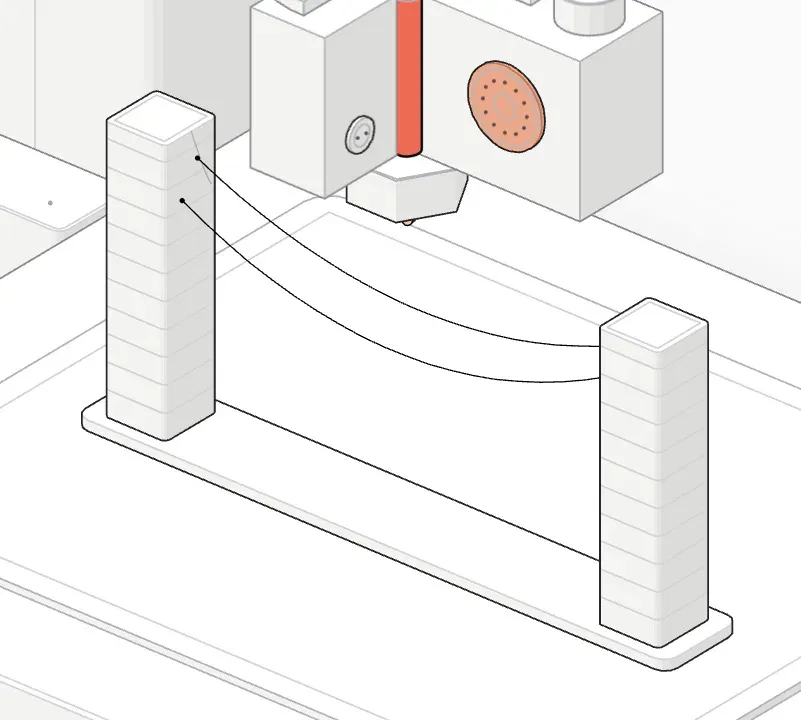 225 °C · 1.6 mm: few strings.
Moisture and storage
Both absorb moisture from the air, but PETG is the more sensitive of the two. Wet PETG pops, strings badly and loses its gloss; wet ABS prints rougher, weaker parts. Store open spools of either sealed with desiccant, and dry them when they start printing badly.
| PETG | ABS | |
|---|---|---|
| Drying temperature | 60–65 °C | 60–80 °C |
| Drying time | 4–6 hours | 4–6 hours |
| Store at | Below about 20% humidity | Below about 30% humidity |
Use the maker’s drying temperature if the label gives one. Our guides to drying filament and storing filament cover the methods.
- A 1 kg spool of PETG, sealed with desiccant.Photo: Suit ·CC BY-SA 4.0 ·Wikimedia Commons
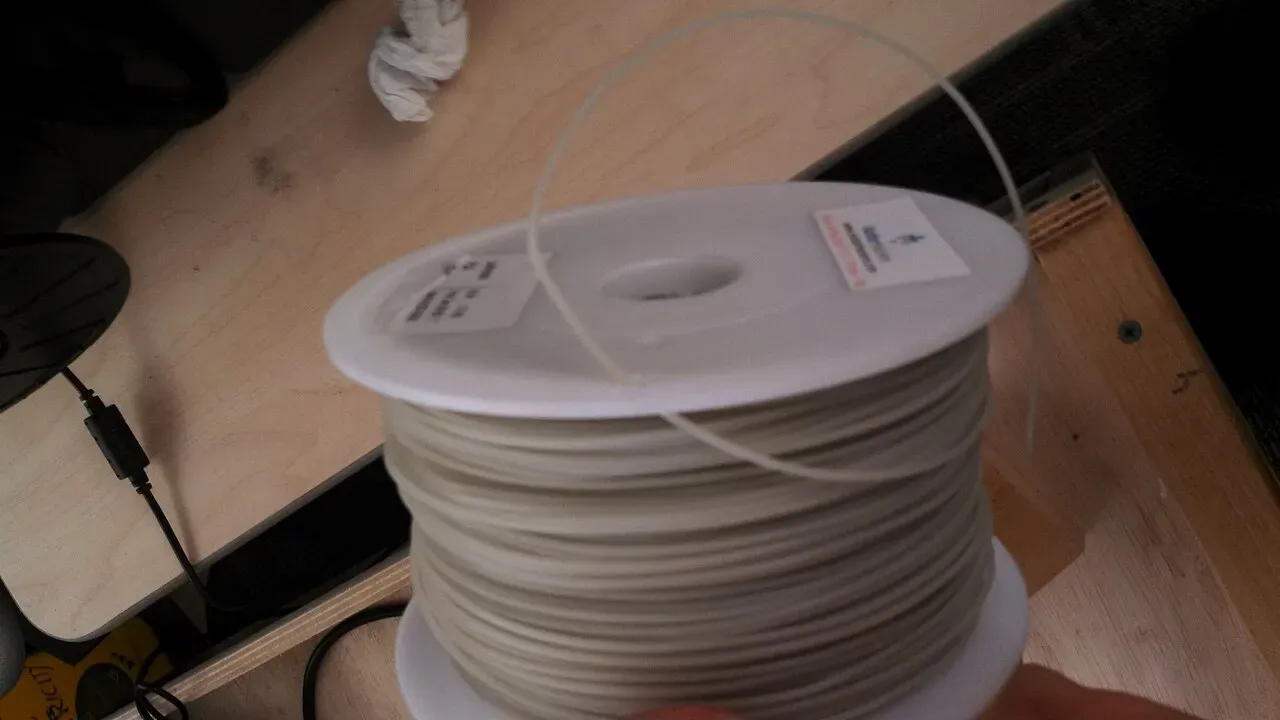 An open spool of PLA left out in the air.Photo: SuperBlobMonster ·CC BY-SA 3.0 ·Wikimedia Commons
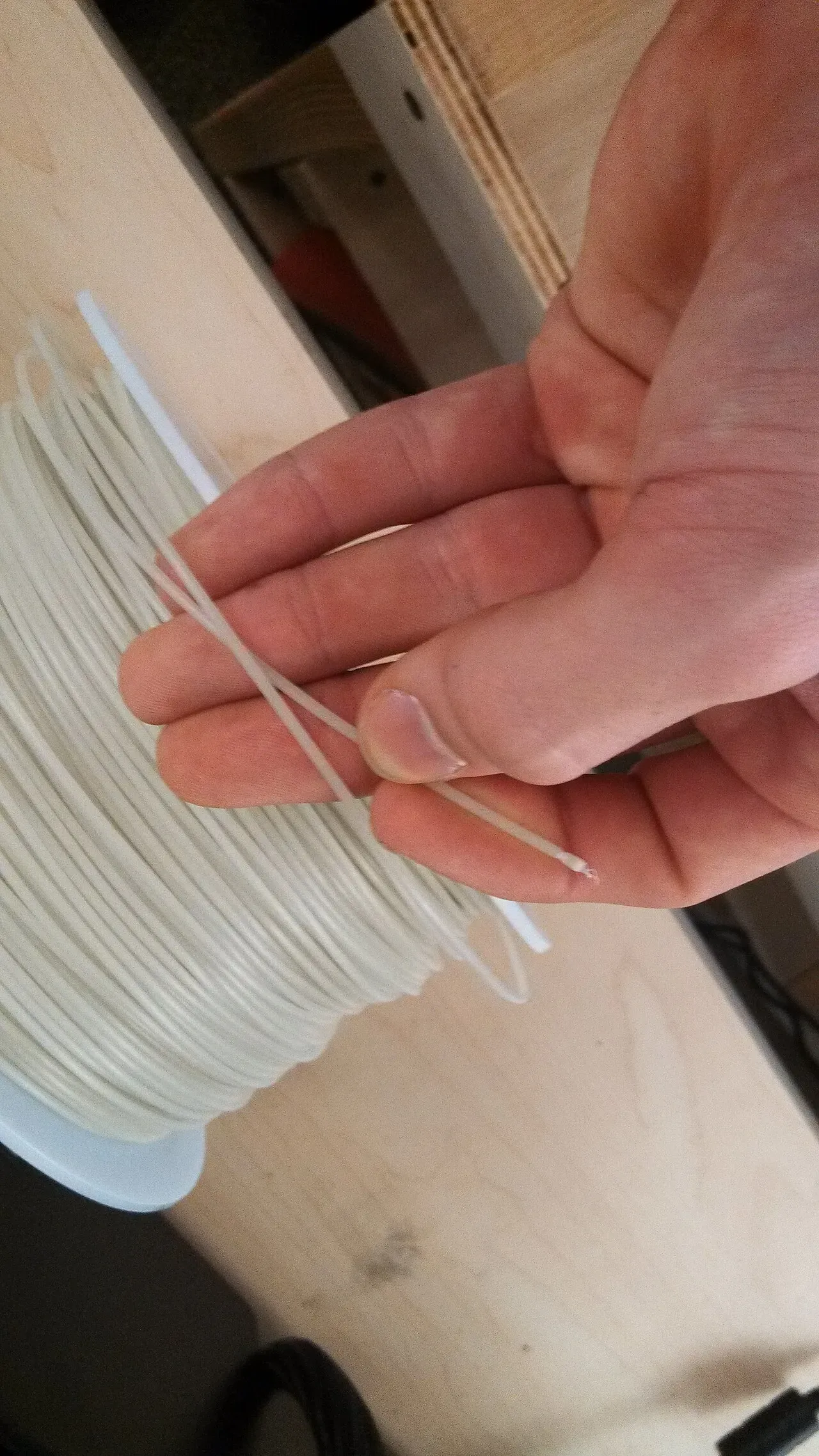 Crossed filament: a loop that can tangle and stop the extruder.Photo: SuperBlobMonster ·CC BY-SA 3.0 ·Wikimedia Commons
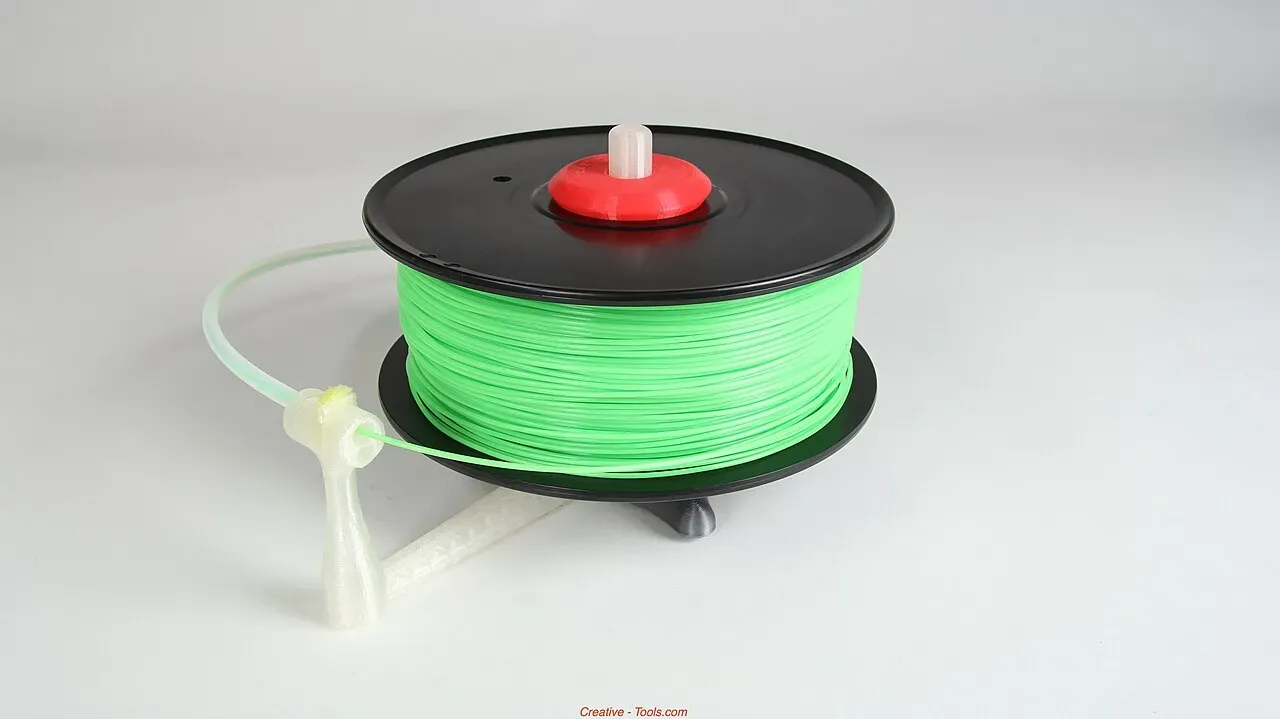 A simple spool holder lets the spool turn freely.Photo: Creative Tools ·CC BY 2.0 ·Wikimedia Commons
Cost
The filament costs about the same: plain PETG and plain ABS are both among the cheaper materials, and brand matters more than type.
One quiet difference: ABS is lighter. Its density is around 1.04 g/cm³, against about 1.27 g/cm³ for PETG, so a 1 kg spool of 1.75 mm ABS holds roughly 400 m of filament and a 1 kg spool of PETG roughly 330 m. The same part uses about a fifth less weight in ABS.44Worked out from the filament’s cross-section and typical densities. Your spool’s exact length depends on the brand’s blend and diameter tolerance; many labels state it.
The real difference is everything around the spool. Printing ABS well usually means:
- an enclosure, if your printer doesn’t have one,
- a filter or vent for the fumes,
- an all-metal hotend if yours is limited to around 240 °C,
- higher power use, because the bed runs 20–30 °C hotter,
- and more failed prints while you learn.
If you already have an enclosed, filtered printer, ABS is cheap and capable. If you don’t, PETG is far cheaper in practice.
Finding the settings in your slicer
| What to change | OrcaSlicer / Bambu Studio | PrusaSlicer | Cura |
|---|---|---|---|
| Choose the filament profile | Filament list on the Prepare screen | Filament drop-down in the right panel | Material drop-down next to the printer |
| Nozzle temperature | Filament settings → Filament → Nozzle | Filament Settings → Filament → Temperature → Nozzle | Material → Printing Temperature |
| Bed temperature | Filament settings → Filament → Bed temperature (per plate type) | Filament Settings → Filament → Temperature → Bed | Material → Build Plate Temperature |
| Part cooling fan | Filament settings → Cooling → Part cooling fan | Filament Settings → Cooling → Fan settings | Cooling → Fan Speed |
| Retraction for one filament | Filament settings → Setting overrides | Filament Settings → Filament Overrides | Travel → Retraction Distance |
| Brim | Process → Others → Brim type and Brim width | Print Settings → Skirt and brim → Brim | Build Plate Adhesion → Build Plate Adhesion Type → Brim |
| Chamber temperature (printers that can heat or measure the chamber) | Filament settings → Filament → Print chamber temperature (OrcaSlicer also needs Activate temperature control ticked, and chamber control enabled in the printer settings) | Chamber temperature fields in Filament Settings → Filament, in recent versions | Material → Build Volume Temperature |
Menu names move between slicer versions, and some settings only appear in Advanced or Expert mode. If you can’t find one, type its name into the slicer’s settings search box. Our slicer guide shows where filament profiles live.
When ASA or another material is better
| You need… | Best choice | Why |
|---|---|---|
| Toughness and moderate heat, open printer | PETG | No enclosure, low warping, faint smell |
| Heat above about 80 °C, indoors, or acetone smoothing | ABS | Softens around 95–105 °C; dissolves in acetone |
| Heat and years of sunlight, outdoors | ASA | ABS-like heat with much better UV resistance; same enclosure and fume precautions |
| Easiest printing, decorative parts | PLA | Lowest effort; see PLA vs PETG |
| Flexible, rubbery parts | TPU | Bends and springs back |
| Wear, friction, repeated flexing | Nylon | Very tough and slippery; must be kept dry |
| Maximum strength and heat | Polycarbonate | Needs a hot, enclosed printer |
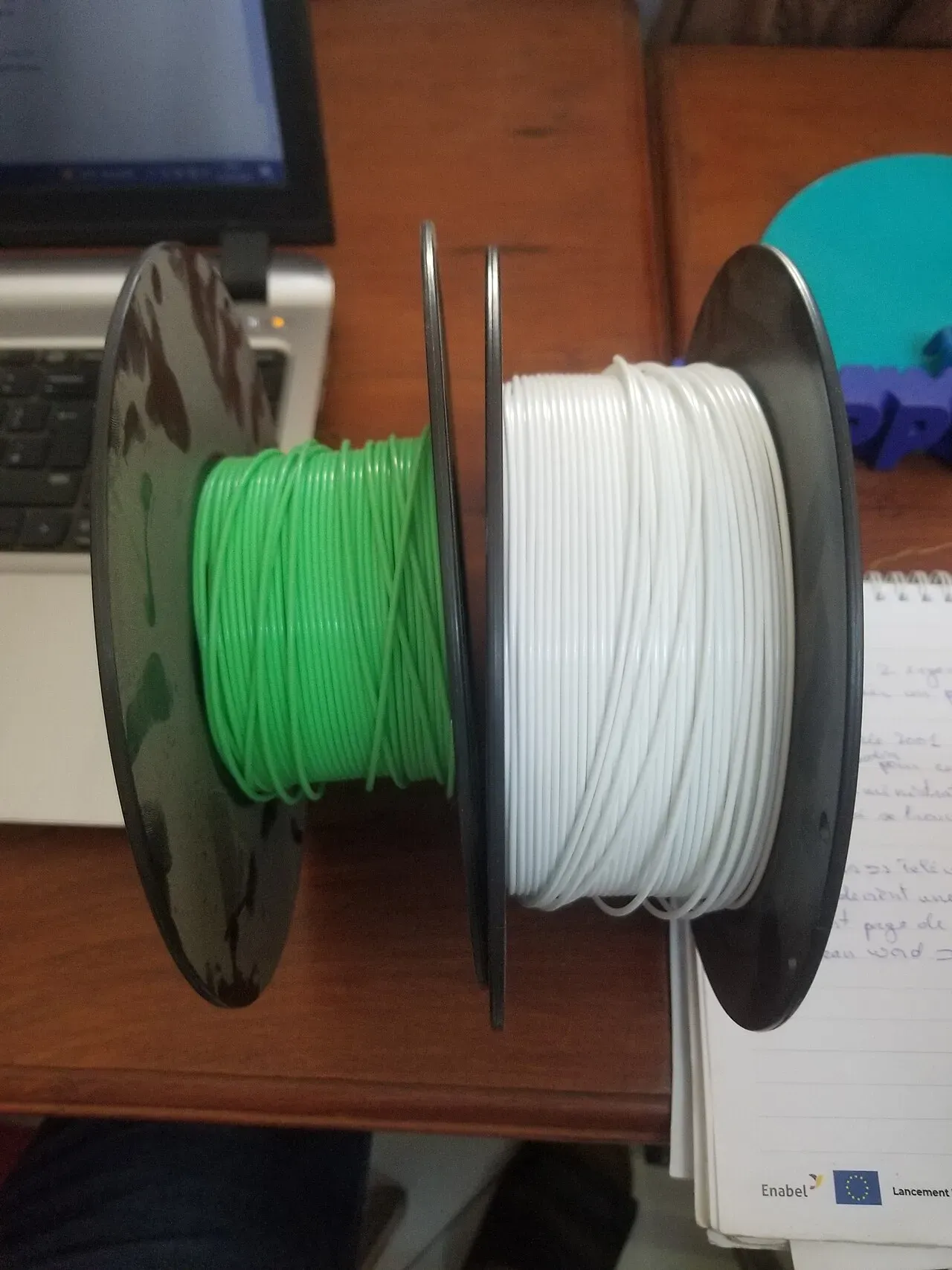 PLA: the beginner's filament.Photo: Richardspa ·CC0 ·Wikimedia Commons
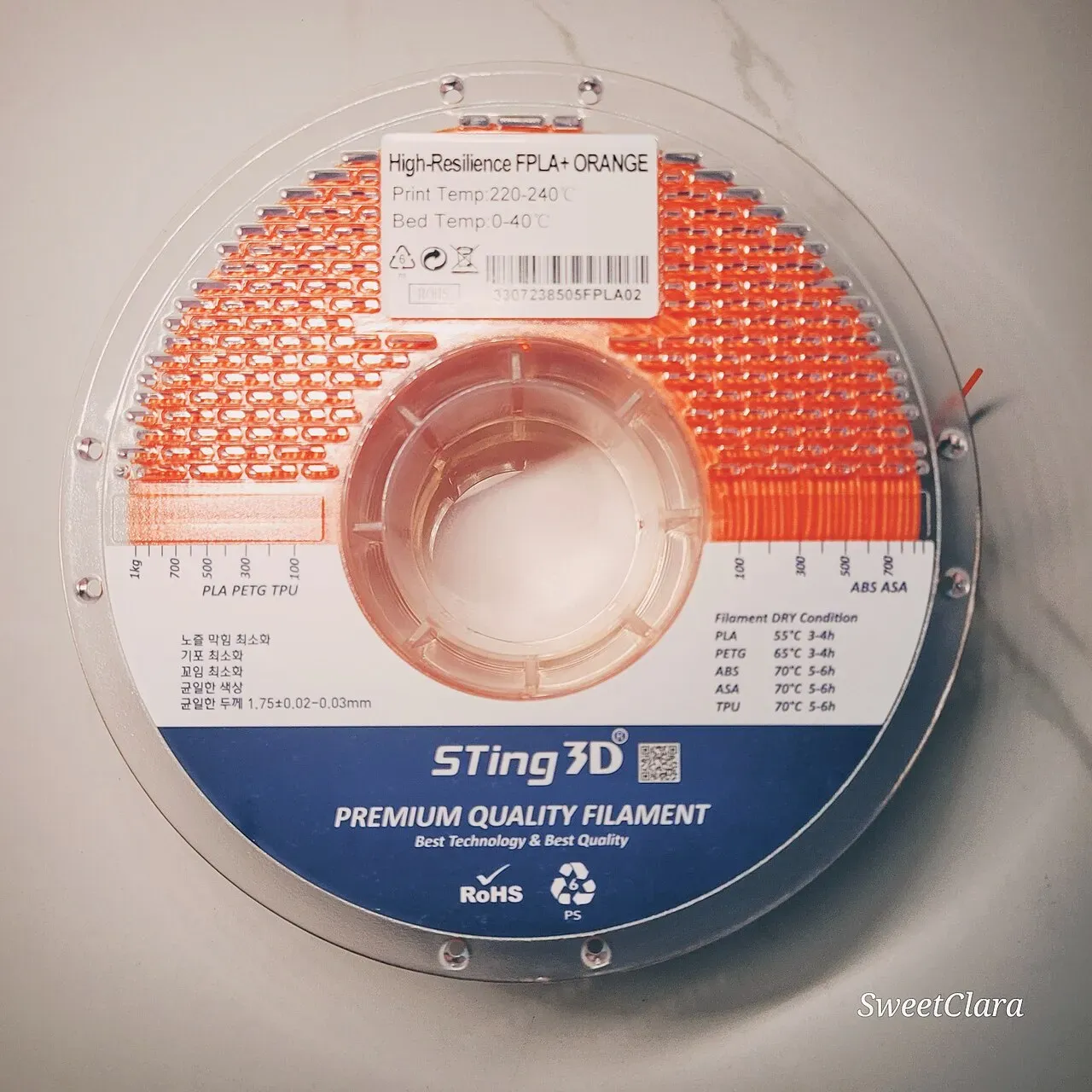 Flexible filament: label shows its print temperature.Photo: Sweetclara ·CC BY-SA 4.0 ·Wikimedia Commons
- A spool of ABS.Photo: Tatár Lehel ·CC BY-SA 3.0 ·Wikimedia Commons
Common problems and quick fixes
| Problem | Usually on | Why | Fix |
|---|---|---|---|
| Corners lifting | ABS | Shrinks as it cools | Enclosure, bed 95–110 °C, brim; see warping |
| Cracks between layers | ABS | Layers cooled too fast | Close the enclosure, fan off, keep draughts away |
| Lots of fine strings | PETG | Oozes more | Dry it, lower the temperature, see stringing |
| Nozzle drags, blobs build up on the nozzle | PETG | First layer too squished | Raise the Z offset slightly; see Z offset |
| Part fused to a glass or smooth PEI bed | PETG | Bonds too strongly | Glue stick as a release layer, or textured PEI |
| Weak layers that split | Both | Too much cooling or too cold | Less fan, 5 °C hotter |
| Gaps and thin walls | Both | Nozzle too cool, too fast, or partly clogged | See under-extrusion |
| Bulging first layer | Both | Hot bed and a squashed first layer | See elephant’s foot |
| Extruder clicking | Both | Too cold, too fast, or a clog | See extruder clicking |
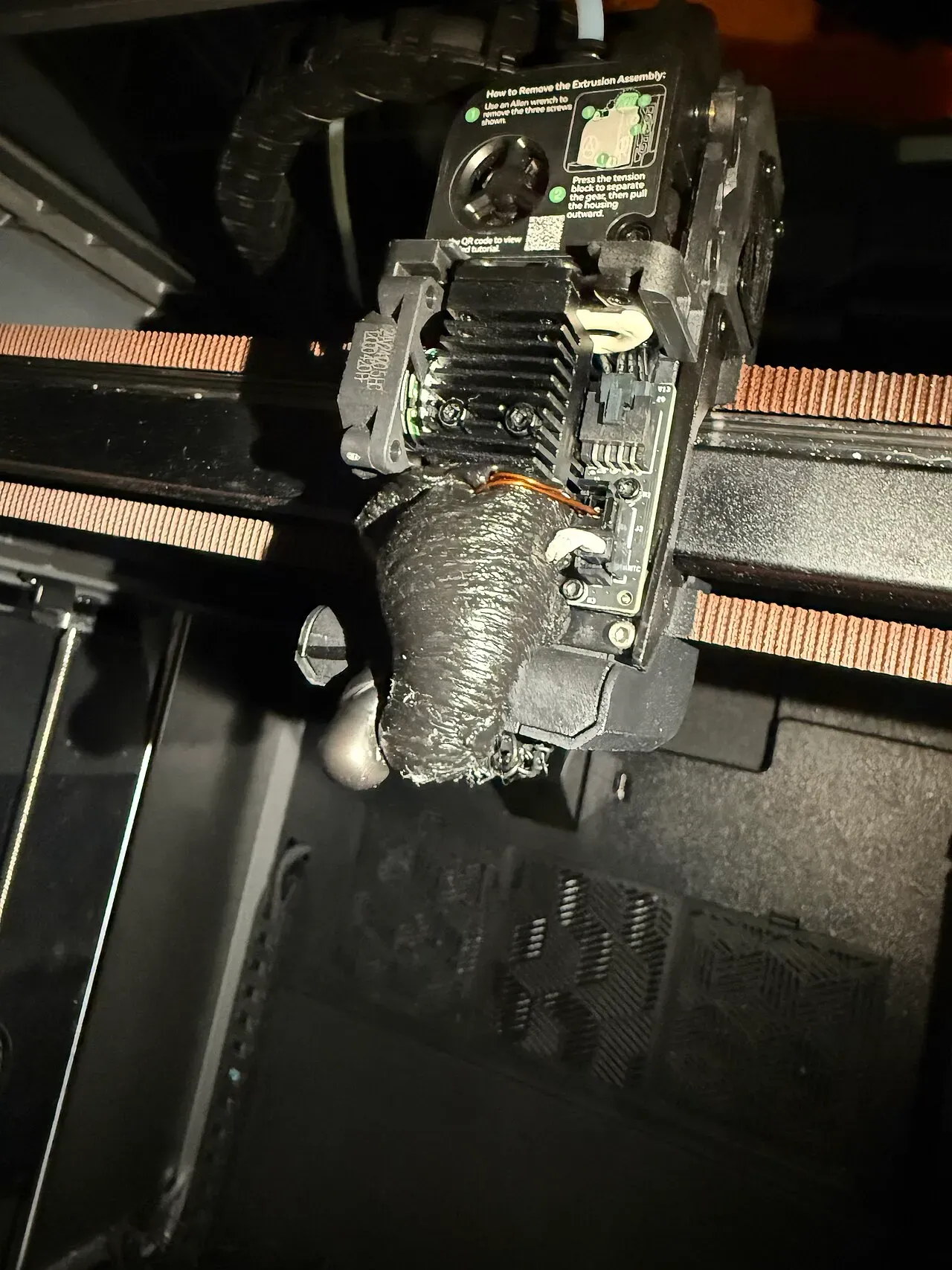 The "blob of death": plastic that leaked and wrapped the hotend.Photo: LunaEatsTuna ·CC BY-SA 4.0 ·Wikimedia Commons
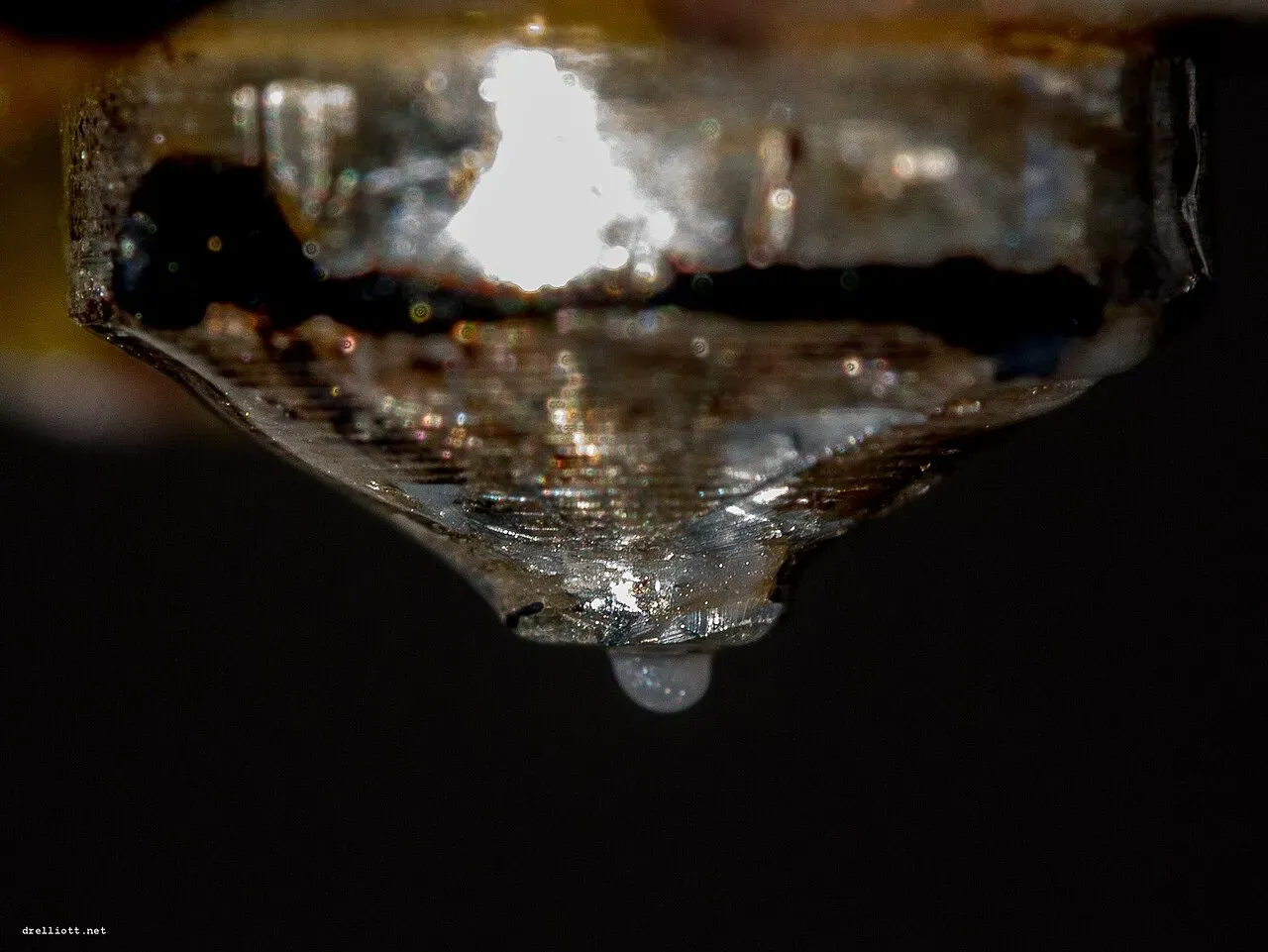 Ooze: a drop of molten plastic forming at the nozzle.Photo: David Elliott from UK ·CC BY 2.0 ·Wikimedia Commons
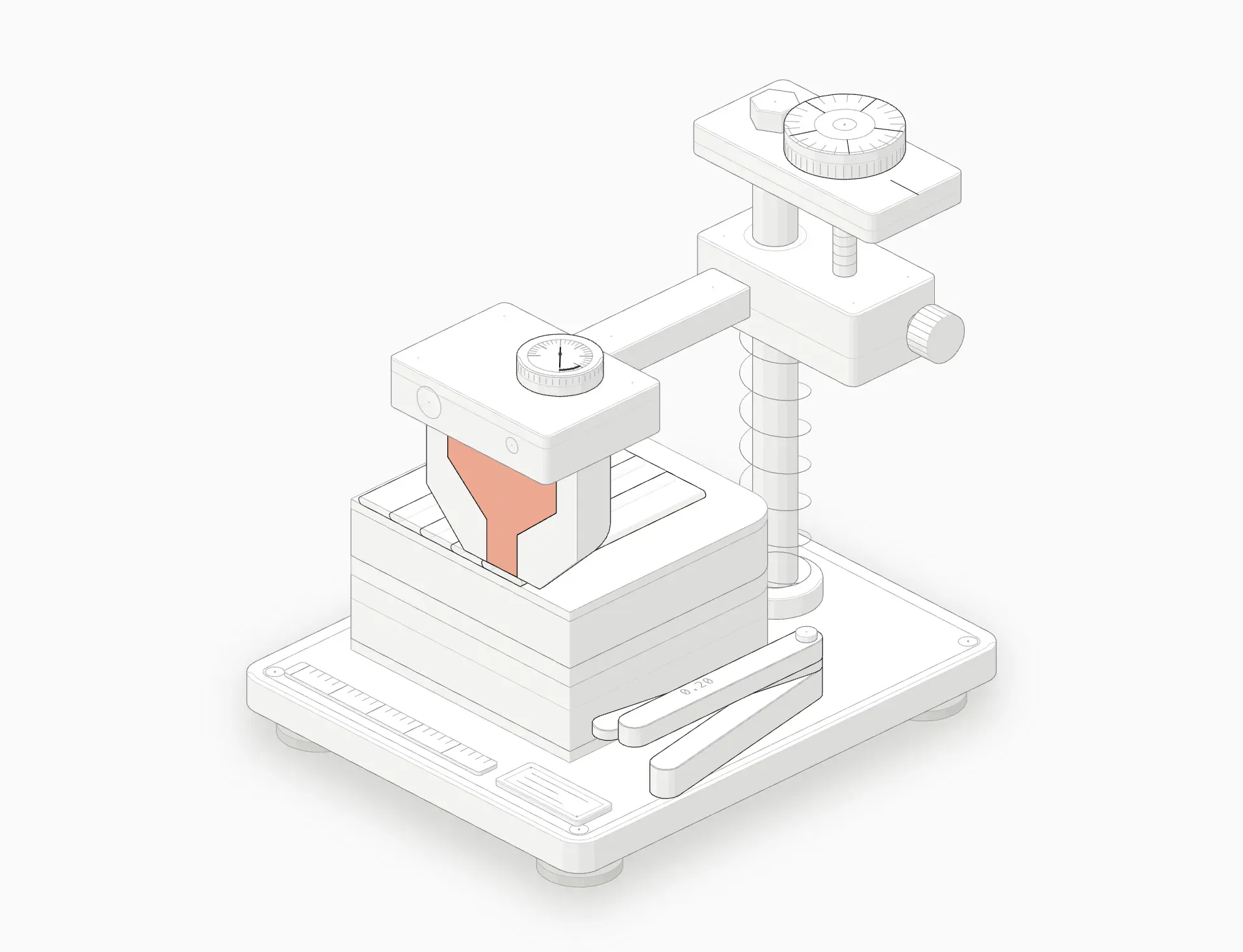 Too low: lines squashed thin, and the extruder struggles.
How to decide in four questions
- Will the part get hotter than about 75 °C? Yes: ABS or ASA. No: carry on.
- Will it live in direct sun for years? Yes: ASA (or PETG for shorter use). No: carry on.
- Do you need acetone smoothing, or clean sanding and drilling? Yes: ABS. No: carry on.
- Do you have an enclosure and somewhere to vent fumes? No: PETG. Yes: either, and PETG is still the easier print.
FAQ
Is PETG stronger than ABS?
On an open printer, PETG parts are usually stronger in practice because their layers bond well without an enclosure. Printed warm in an enclosure, ABS is comparably tough, and it keeps its strength at temperatures where PETG starts to soften.
Is PETG easier to print than ABS?
Yes, much. PETG prints on an open printer with a 70–85 °C bed and barely warps. ABS needs a 90–110 °C bed, little cooling and ideally an enclosure to stop warping and cracking.
Which is more heat resistant, PETG or ABS?
ABS. It stays rigid to about 95–105 °C, while PETG starts to soften around 75–80 °C. For parts near motors, lamps or in a hot car in summer, choose ABS or ASA.
Do I need an enclosure for PETG?
No. PETG prints fine on an open printer in a normally ventilated room. Keep it away from draughts on large parts.
Are ABS fumes dangerous?
ABS releases more particles and fumes than PETG or PLA, including styrene, and many people find the smell causes headaches or irritation. Print it in a filtered or vented enclosure, away from rooms where people sleep or spend long periods, and follow the filament’s safety data sheet.
Is PETG or ABS better for outdoor use?
PETG, of the two. ABS yellows and turns brittle in sunlight. For parts that live outdoors for years, ASA is better than both.
Is PETG or ABS better for car parts?
For interior parts in a hot climate, ABS or ASA, because PETG can soften in a car parked in summer sun. For parts exposed to sunlight, ASA. PETG is fine for parts that stay cooler, such as in the boot or in mild weather.
Can you acetone smooth PETG?
No. Acetone doesn’t dissolve PETG, so vapour smoothing only works on ABS and ASA.
Which is cheaper, PETG or ABS?
The filament costs about the same, and ABS gives you more metres per kilo because it’s lighter. ABS costs more overall once you add an enclosure, filtering and possibly an all-metal hotend.
Related guides
Choosing your first upgrade from PLA? Read PLA vs PETG and PLA vs ABS, and see the filament guide for every common material. For ABS’s biggest headache, see how to fix warping; for PETG’s, how to fix stringing. Before printing ABS indoors, read is 3D printing safe?, and keep either spool printing cleanly with how to dry filament and how to store filament.
Free: the Print Problems Cheat Sheet
12 common print faults on two printable pages: what each looks like, why it happens and the fix. Plus one new guide a week.
Free: the Print Problems Cheat Sheet
12 common print faults on two printable pages: what each looks like, why it happens and the fix. Plus one new guide a week.